
Beach Cleanups
Beach cleanups are the last defense against ocean pollution. Heal the Bay volunteers have removed more than 4 million pieces of trash from LA’s coastline. Adopt-a-Beach, Partner with Heal the Bay for a Corporate Cleanup or join us for one of our monthly Nothin’ But Sand Beach Cleanups. There are so many ways to protect what you love!
Suits on the Sand
Get your organization involved in a private beach cleanup. Suits on the Sand offers a unique opportunity to explore marine pollution with a Heal the Bay educator.
Safe Clean Water Program
Learn how to give feedback on the regional plan to address how we capture water, reduce our reliance on imported water, and enhance communities in LA County.
Storm Response Team
Our winters bring much needed rain to Los Angeles, but it comes with a wave of trash. Our Storm Response Team is the ocean’s first responder after major rain events. The ocean needs our help. Join the team today!
How will you take part?
Give Time
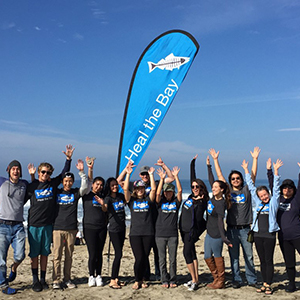
Wanna roll up your sleeves at a cleanup? Or would you rather educate your students with a guest speaker or field trip to Heal the Bay Aquarium? Or maybe you’d love to help your company give back?
Select a tab below to get the low down on our Aquarium, Beach, Outreach, Community Science and Youth programs and opportunities.
- Time Commitment:
- Light
- Medium
- Heavy
-
Nothin’ But Sand
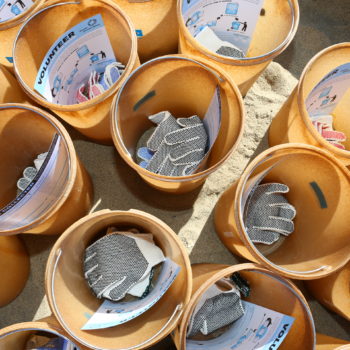
What: Our monthly all-ages beach cleanup bonanza
When: 10am to Noon on the third Saturday of every month (except December)
Where: A different LA County beach each month
Note: Tickets are very limited for COVID-19 health and safety reasons and we announce the location only a few weeks in advance. Sold out or cancelled? Bookmark our Events calendar and sign up for our e-newsletter to be the first to know where we’ll be next. Learn more about Heal the Bay cleanups.
-
Safe Clean Water Program
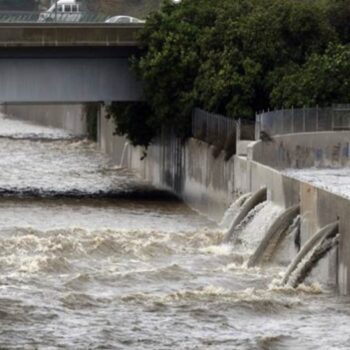
What: The Safe Clean Water Program Watershed Coordinators are working to understand priorities and needs from local communities. Watershed Coordinators will use your feedback to inform decision-making around infrastructure projects.
Where: Central and South Santa Monica Bay watershed areas
How: Take part online
-
Volunteer Orientation
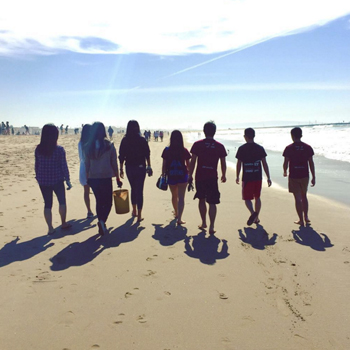
What: Attend one of our Volunteer Orientations to learn more about Heal the Bay, our current issues, and how you can get involved with our exciting Aquarium, Beach, Outreach, Community Science, and Youth volunteer programs
When: Volunteer Orientations are held on the 2nd Thursday of every other month, in person at Heal the Bay Aquarium from 6:30 PM- 8 PM
Find dates and register for our next Volunteer Orientation HERE!
-
Adopt-a-Beach
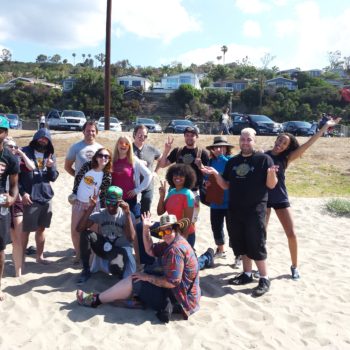
About: Our Adopt-a-Beach program gives individuals and households the opportunity to learn and participate in the conservation of our natural and coastal resources.
What: Commit to showing some TLC to your favorite outdoor space and receive a virtual presentation from Heal the Bay’s Speakers Bureau before your first cleanup as well as educational resources.
Where: Choose your neighborhood, beach, park, creek, or trail near you in Los Angeles County, California. Get started by completing our online application.
Commitment: Complete three cleanups within a year and get an official Certificate of Completion.

-
Nothin’ But Sand
What: Our monthly all-ages beach cleanup bonanza
When: 10am to Noon on the third Saturday of every month (except December)
Where: A different LA County beach each month
Note: Tickets are very limited for COVID-19 health and safety reasons and we announce the location only a few weeks in advance. Sold out or cancelled? Bookmark our Events calendar and sign up for our e-newsletter to be the first to know where we’ll be next. Learn more about Heal the Bay cleanups.
-
Request a Speaker
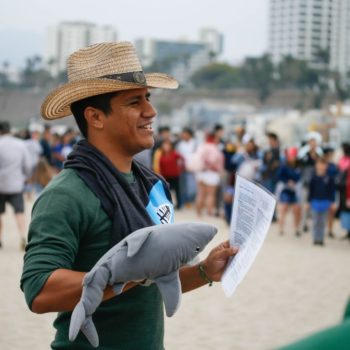
What: An environmental science speaker will join your class for a VIRTUAL, fact-filled presentation. You can choose a topic that works for your group: Ocean Pollution, The Power of Stormwater, Plastic Pollution & the Path to Reusable, and Adapting to a Changing Climate. 30-minute talk (depending on age group)
When: Year-round
Where: Zoom or Teams
For in-person options, please visit Suits on the Sand.
-
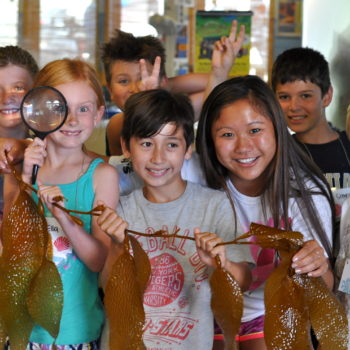
School Field Trips
What: Hands-on learning for K-5 classroom enrichment at Heal the Bay Aquarium under the Santa Monica Pier
When:45 minute Virtual Field Trip Experience offered Tuesday through Friday from 12:30PM – 1:15PM
Where: Heal the Bay Aquarium
-
Request a Speaker
What: An environmental science speaker will join your class for a VIRTUAL, fact-filled presentation. You can choose a topic that works for your group: Ocean Pollution, The Power of Stormwater, Plastic Pollution & the Path to Reusable, and Adapting to a Changing Climate. 30-minute talk (depending on age group)
When: Year-round
Where: Zoom or Teams
For in-person options, please visit Suits on the Sand.
-
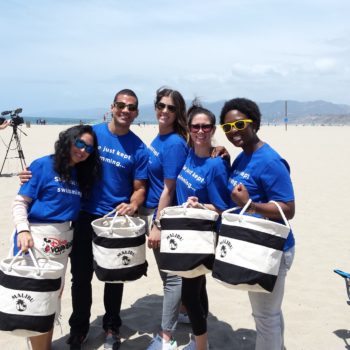
Suits on the Sand
What: An educational presentation followed by a beach cleanup to build your business team’s morale and enhance your company’s environmental commitment
Where: Cleanups are held at a variety of beaches in LA County
-
Corporate and Foundation Giving
What: Heal the Bay relies on the generosity and commitment of its corporate and foundation supporters every day. Grants, sponsorships and partnerships make it possible for us to pursue our important mission of making California coastal waters and watersheds safe, healthy, and clean.
Where: Anywhere
When: Year-round

Give Money
Short on time but still want to make a difference? Consider making a financial gift to Heal the Bay. Support science-based advocacy, grassroots community action, and award-winning educational programs. Your contribution is a smart investment in a cleaner, bluer LA.

Give Voice
Change starts in your community. Get involved in protecting the coastal waters and watersheds of Greater Los Angeles using your voice:
- Like and Retweet this Tweet
- Sign up for our Volunteer Orientation to become a Heal the Bay volunteer
- Add your name to our DDT petition
Volunteer Resources
Marine Debris Data Tracking
Download the Marine Debris Tracker app on your mobile device or print out our Cleanup Data Card and take a pencil to track your finds. Another useful resource for on-the-go trash collection and tracking is the CleanSwell app. Curious about what kinds of trash we find at cleanups in Los Angeles County? Our team can give you an inside look at the epidemic of single-use plastic, cigarette butts, PPE items (face masks and gloves), and more. Our volunteers have tracked more than 4 million pieces of trash, so reach out for more info.
Beach & River Report Cards
Is your favorite swimming or fishing spot safe? Search for the latest water quality grades, alerts, and information at your favorite beach using the Beach Report Card — an app that provides A-to-F water quality grades for more than 650 beaches along the West Coast of the United States. Similarly, the River Report Card rates dozens of local freshwater recreation areas in Los Angeles County, California. Scientists at Heal the Bay also release yearly reports on local water quality trends.
Featured Volunteers
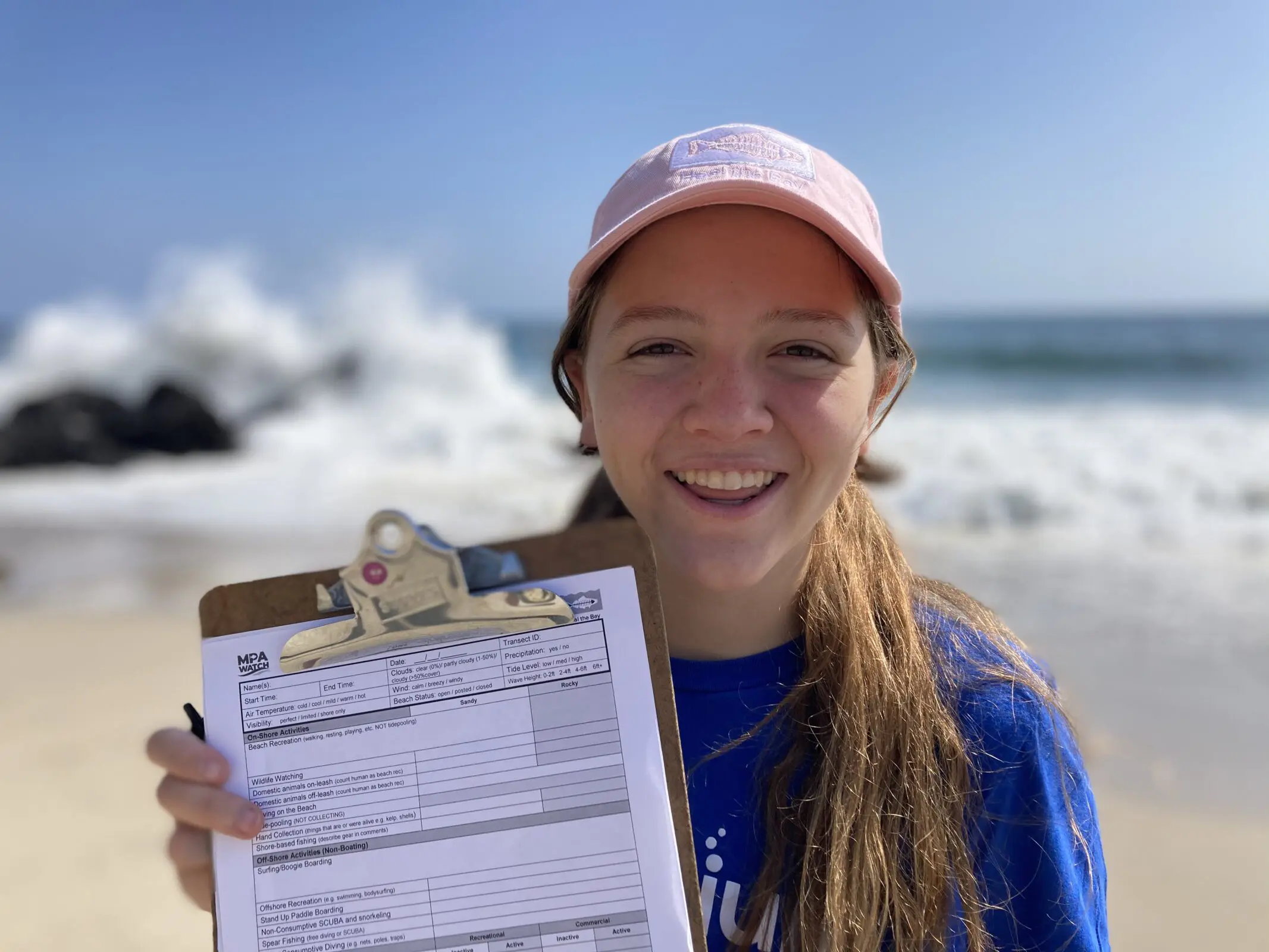
Sophia von der Ohe
“I love volunteering at Heal the Bay because it offers so many rewarding opportunities to preserve the natural world and give back to the community. From seeing the joy in children’s eyes as they touch a sea star for the first time, to collecting data that can be used to protect our beaches, as well as collecting over 30 pounds of plastic that will now never enter the ocean- I have enjoyed every second of it. It has been incredibly meaningful to take an active part in protecting our Bay and a privilege to share what I have learned with others.” – Sophia has been a volunteer since 2019 and is involved in several programs: Heal the Bay Aquarium Public Programs, Storm Response Team, MPA Watch, and beach cleanups.
Croft Family
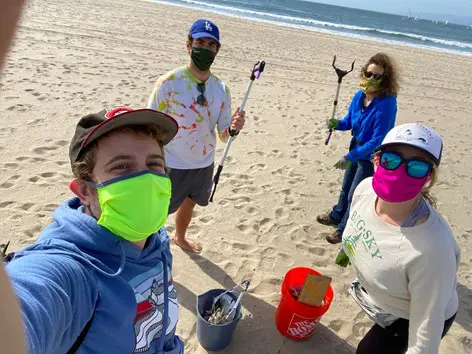
“Recently our family decided to start doing beach cleanups once a month. It’s been really rewarding to spend quality time together, all while giving back to a place we love so much. We also enjoy hearing from others on the beach that they appreciate our efforts while we clean up — and hope that it inspires them to do the same!” – The Croft Family volunteers through our Adopt-A-Beach program.
Myra Blas
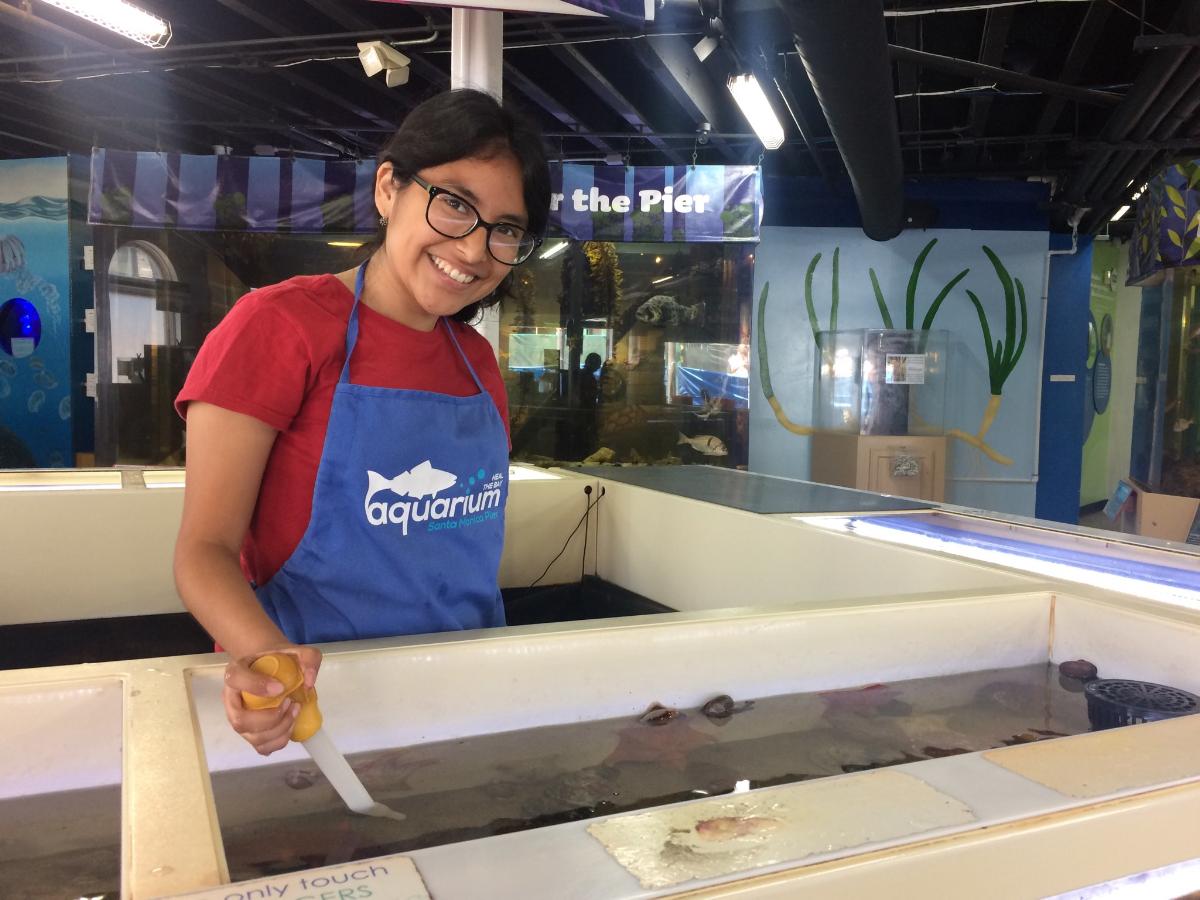
“I volunteer with Heal the Bay because I really admire the work they do for and with the community. Educating people and getting them to participate in protecting the environment is really hard work! Being hands-on with animals has been such a special opportunity. Since day one as a volunteer, I was able to participate in everything that goes into taking care of all the animals in the Aquarium.” – Myra is a Heal the Bay Aquarium aquarist volunteer.
Elizabeth J. Cron
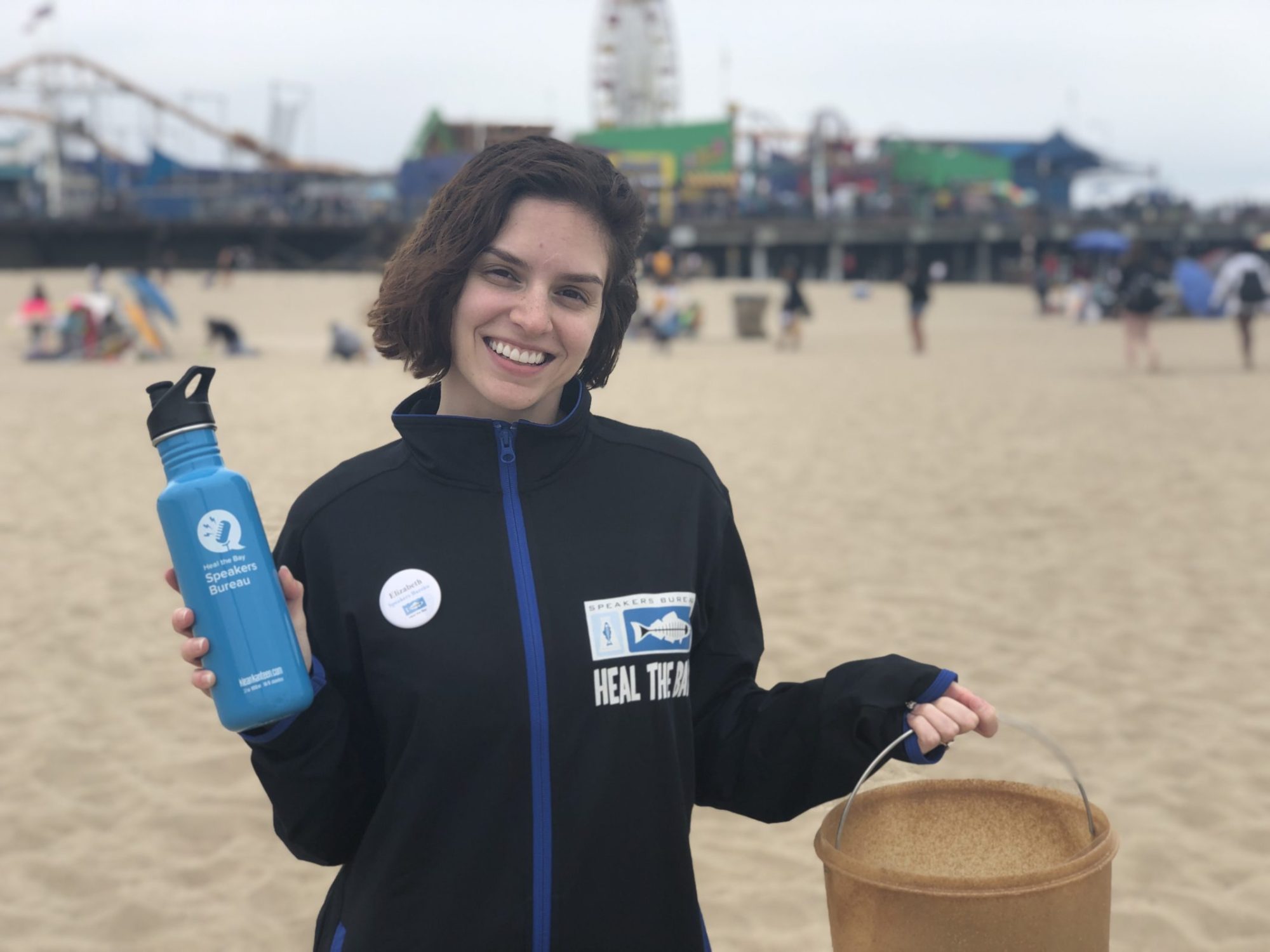
“Going through Heal the Bay Speaker’s Bureau Training was an amazing experience. I learned about things I was never taught growing up and I ‘graduated’ training feeling beyond inspired to share my knowledge with anyone ready to listen! I love speaking with brilliant kids in schools, meeting fellow volunteers and soaking up everything I can from the scientists and policy pushers that work in the organization.” – Elizabeth is involved in several Heal the Bay volunteer programs: Speakers Bureau and Beach Captains.
Esther An
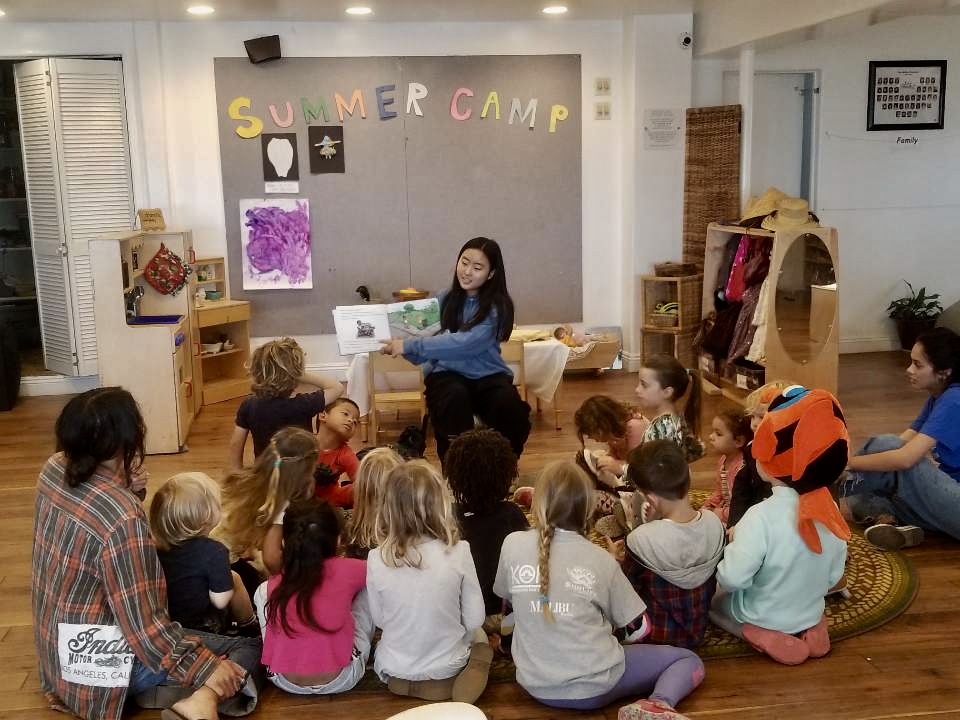
“I volunteer with Heal the Bay because it is a group that genuinely cares about amplifying the voices of our community. The people at Heal the Bay do incredible work by bringing people together and taking collective action to solve issues that affect every single one of us. I have met some of the most passionate, kind-hearted people who envision a better world that we can all participate in, and they inspire me to raise my voice for the people around me. I am grateful for every chance to work with them.” – Esther is involved in several Heal the Bay volunteer programs: Aquarium, Speakers Bureau, Beach Captains, and Wednesday Warriors.

Paula Shuman
“I love meeting the public and helping them appreciate the wonders of our Bay! I also love the looks on the faces of visitors when you tell them how sea stars eat and that kelp is in our ice cream!” – Paula has volunteered at Heal the Bay Aquarium since 2009.
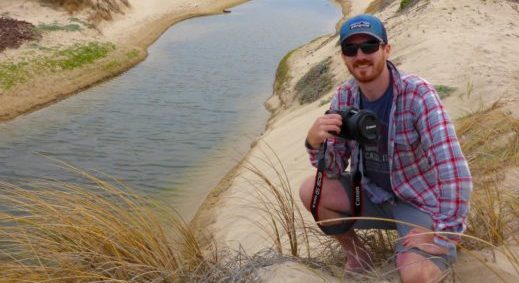
Brenton Spies
“When I walked through the doors of Heal the Bay Aquarium, I was full of passion for the ocean, though not sure where that could lead. The Aquarium inspired my desire to be involved in conservation and marine science and it was here that I finally became aware of the scientist and educator within. The Aquarium was the catalyst that motivated me to pursue degrees in marine science.” – Brenton was an Aquarium volunteer.
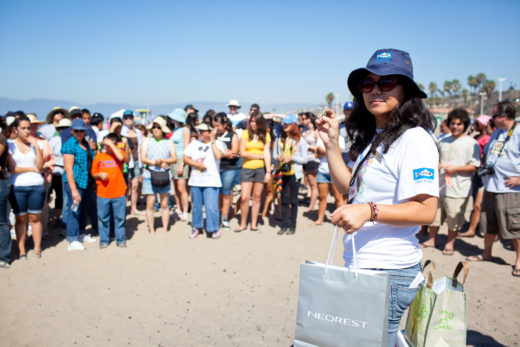
Terumi Toyoshima
“Heal the Bay gives me hope for a cleaner ocean, a cleaner planet, a better community, a better me. It has made me realize whatever I do–at the beach, at home, at work, on the street miles from the beach, or anywhere–affects the health of the ocean. Also, I like that even though we have huge events with hundreds of people, I’ve had the chance to meet wonderful people and make great friends.” – Terumi has been a Volunteer Beach Captain since 2004.
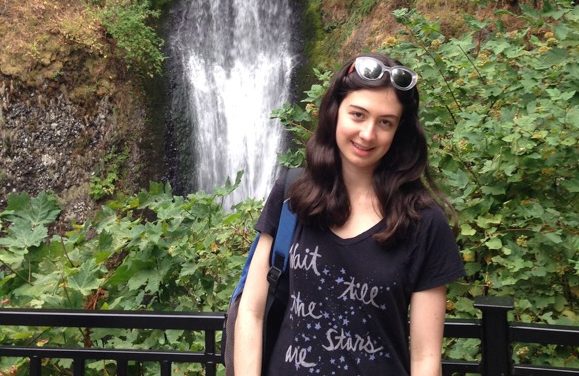
Zola Berger-Schmitz
“Heal the Bay inspired me to pursue my interest in environmental activism and then gave me the tools to mobilize my peers. Through Heal the Bay programs and training I developed important public speaking and leadership skills and was empowered to become an environmental youth advocate.” – Zola has been a Heal the Bay volunteer since she was 12.
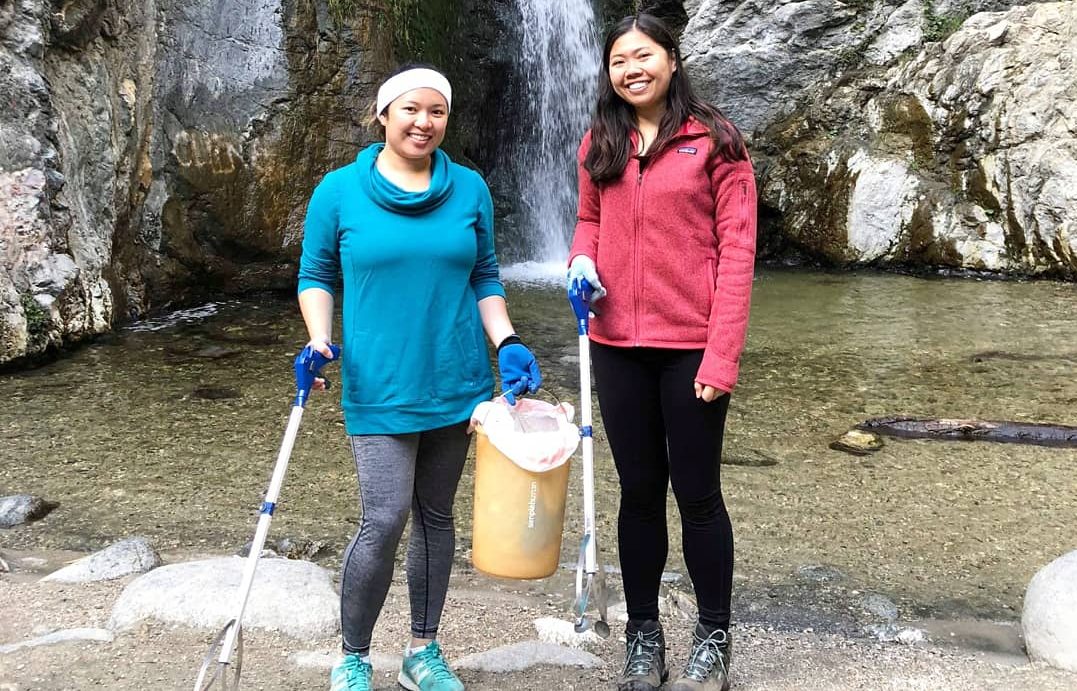
Kelly Villasor
“Today we went to Eaton Canyon and picked up a bucket’s worth of trash. Of the many things, we had a few towels, gum wrappers, and of course, plastic water bottles. We also saw orange peels. Just because it’s biodegradable, doesn’t mean you can still carelessly throw it on the ground. It still takes about a whole 6 months for orange peels to decompose. During that time it can attract unwanted bugs and creatures you wouldn’t want to encounter on your hike.”- Kelly is involved in several Heal the Bay volunteer programs: Speakers Bureau, Street Fleet, and Beach Captains.