Top

Heal the Bay Blog

Category: News

Solving the Santa Monica Pier’s Water Quality Mystery for a Cleaner Future at One of L.A.’s Most Iconic Shorelines

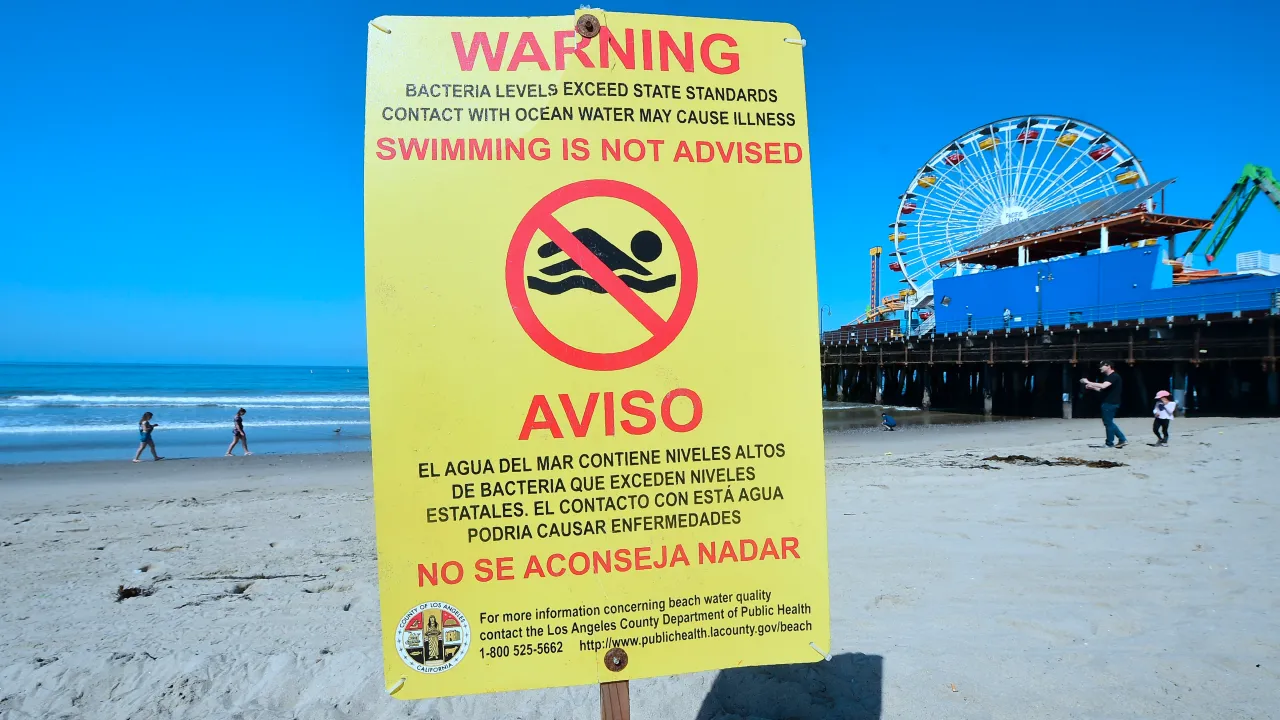
For decades, Heal the Bay’s Beach Report Card has identified the Santa Monica Pier as one of Los Angeles County’s most persistent water quality challenges. Year after year, our scientists have detected elevated levels of fecal indicator bacteria at one of Southern California’s most iconic and heavily visited coastal destinations. Those elevated bacteria levels signal the potential presence of pathogens that can pose a risk to swimmers, surfers, and beachgoers. Although there have been periods of improvement, bacterial pollution has repeatedly returned, revealing just how complex this issue is. That is finally beginning to change. 

In partnership with the City of Santa Monica, Heal the Bay is leading the new Santa Monica Pier Water Quality Task Force, a coordinated, science-driven effort to better understand the persistent bacterial pollution at the Pier and develop real, actionable solutions. The Task Force represents a major step forward for public health, coastal protection, and accountability at a shoreline that millions of people visit, enjoy, and depend on each year. 

The Santa Monica Pier is more than a landmark. It is a gateway to the Bay, a public gathering place, a driver of the local economy, and a symbol of Southern California’s connection to the coast. 

The Santa Monica Pier is more than a landmark. It is a gateway to the Bay, a public gathering place, a driver of the local economy, and a symbol of Southern California’s connection to the coast. In 2023, Santa Monica welcomed an estimated 4.6 million visitors, generating approximately $938 million in economic activity1. But beneath the Pier, the water quality tells a troubling story. Persistent bacterial pollution continues to threaten public health and raises urgent questions about what is entering the water, where it is coming from, and how to stop it. 


1 Santa Monica Travel & Tourism. 2023 Economic Impact Report.


Why the Pier Matters 

Heal the Bay’s Beach Report Card has tracked coastal water quality for decades, giving the public clear, science-based information about where it is safe to swim. The Santa Monica Pier has remained one of the most persistent problem areas in Los Angeles County, with poor grades during both wet and dry weather.  

That matters. 

When beaches experience poor water quality after rain, stormwater runoff is often the obvious culprit. Rain washes bacteria, trash, chemicals, and other pollutants from streets and storm drains into the ocean. At the Santa Monica Pier, however, elevated bacteria levels often occur even when it has not rained, suggesting that rain is not the only factor affecting water quality and that another persistent source of pollution may be contributing to the problem. This is particularly concerning because dry weather also brings the highest number of beachgoers into the water, increasing the potential for public exposure. 

Without knowing the source, solutions remain reactive. The Task Force is designed to change that by bringing the right people, data, and tools together to identify the problem and move toward long-term fixes. 

Why This Matters for Public Health 
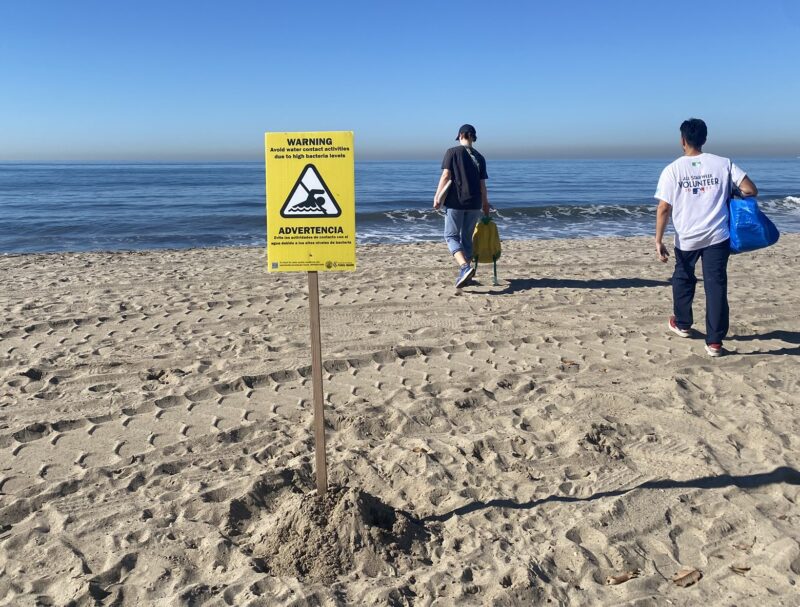
Fecal indicator bacteria are not just numbers in a report. They signal the possible presence of pathogens that can cause illness, including stomach flu, ear infections, skin rashes, and respiratory issues. Families, swimmers, surfers, anglers, tourists, and coastal workers all deserve clear information and clean water. 

Heal the Bay’s Beach Report Card and River Report Card were created to help people understand water quality risks and make informed decisions about where and when to get in the water. The Santa Monica Pier Task Force builds on that foundation by going beyond monitoring and public notification. It asks the next critical question: what is causing the pollution, and how do we fix it? 

That is the kind of work coastal communities need more of. Monitoring tells us where there is a problem. Source identification helps us solve it. 

A Different Kind of Collaboration 

The Santa Monica Pier Water Quality Task Force brings together partners who do not always sit at the same table. Heal the Bay is leading this effort in collaboration with the City of Santa Monica’s Office of Sustainability and the Environment, with support and coordination from scientific experts, public agencies, environmental partners, local businesses, and community stakeholders. 

The goal is simple but ambitious: use better science, transparent collaboration, and shared responsibility to identify the sources of bacterial pollution and develop a practical action plan. 

Key partners include Heal the Bay, the City of Santa Monica, academic and scientific experts from local institutions (including UCLA and USC), the Santa Monica Bay Restoration Commission, community and nonprofit partners such as Save the Waves Coalition and the Santa Monica Pier Corporation, and coordination with the LA County Safe Clean Water Program. Pier businesses, local hotels, and community members will also be important voices in the process to ensure that recommendations are practical, visible, and rooted in the needs of the people who live, work, and recreate along the coast. 

This is not another study meant to sit on a shelf. The Task Force is being built around investigation, analysis, public communication, and action. 

The Science Is Already Underway 
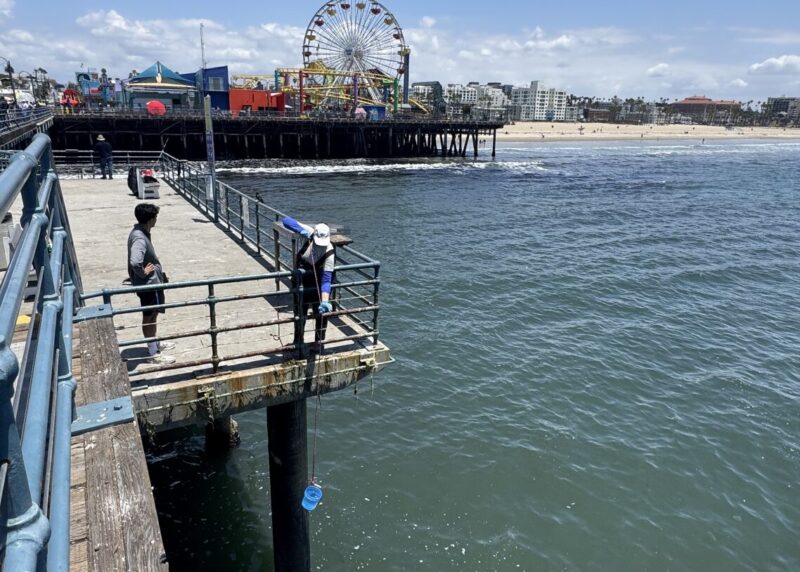
The work has already begun. 

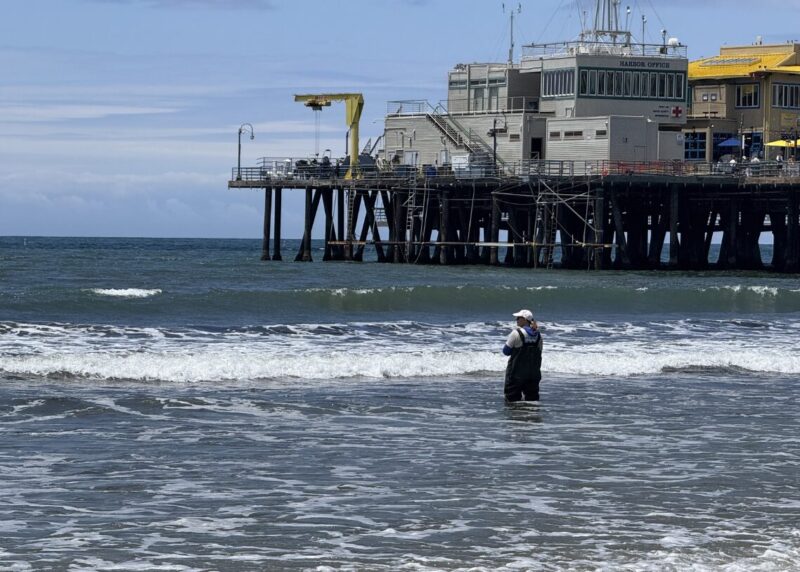
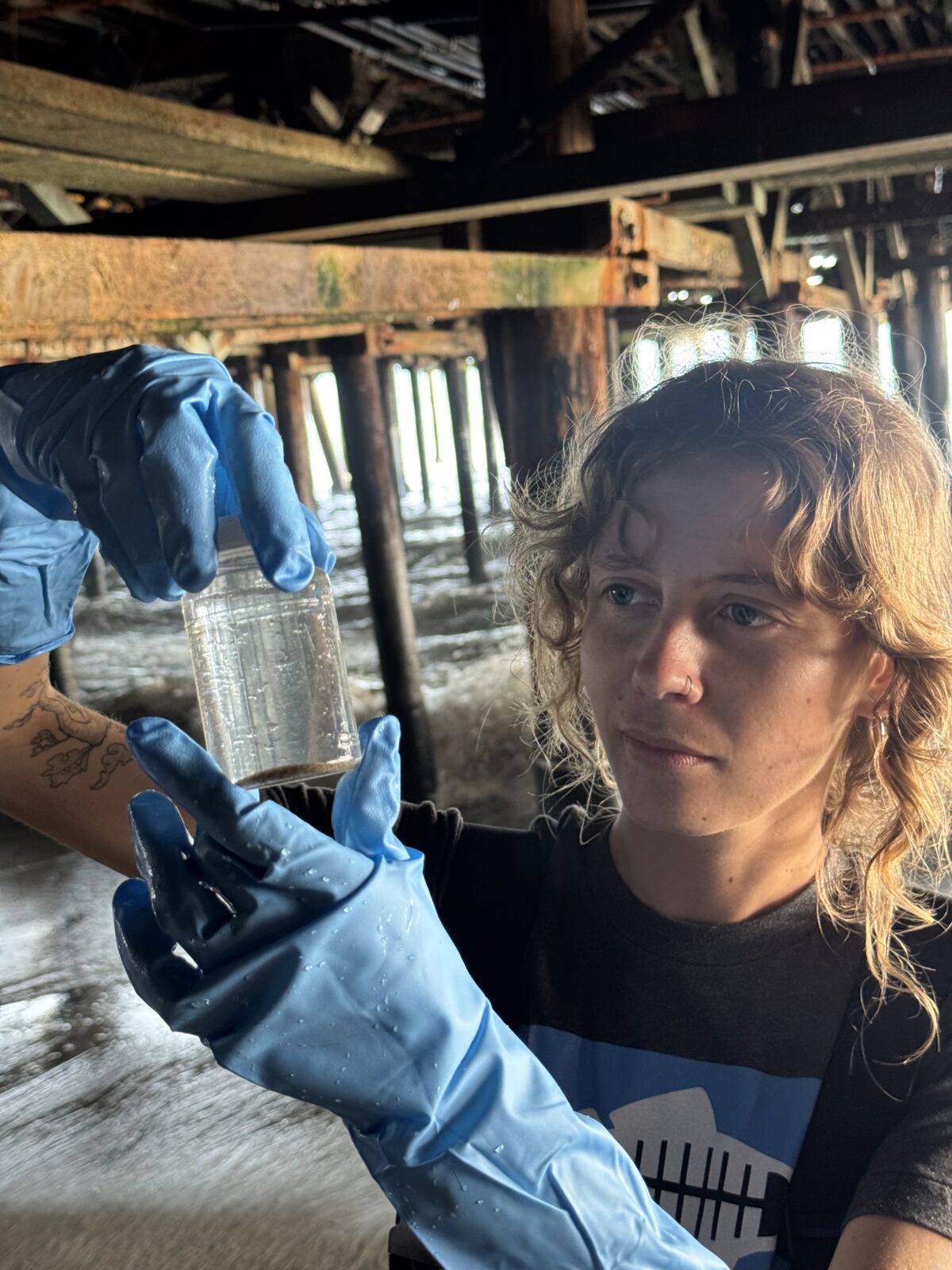
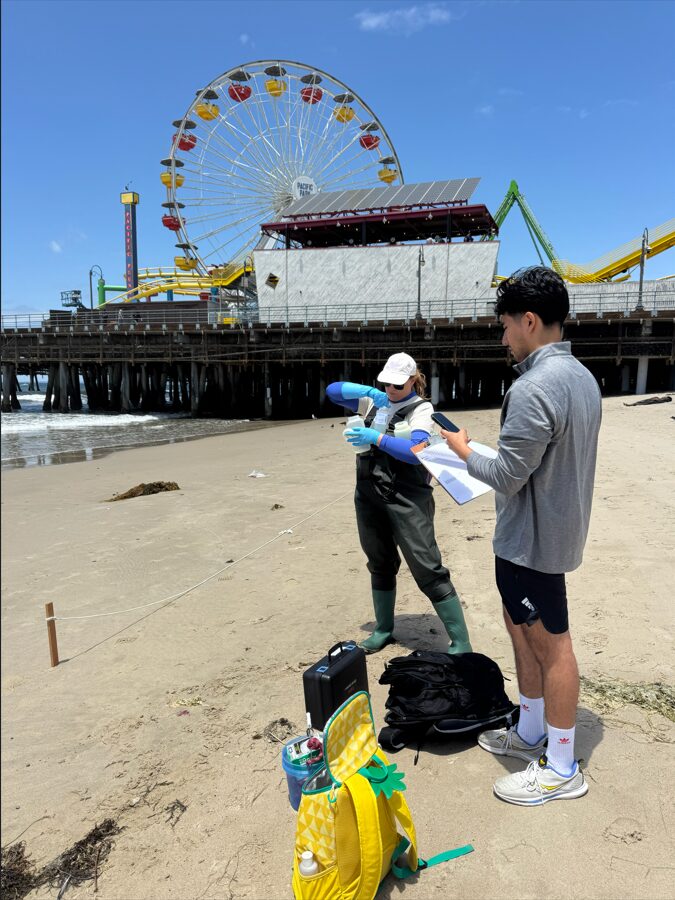
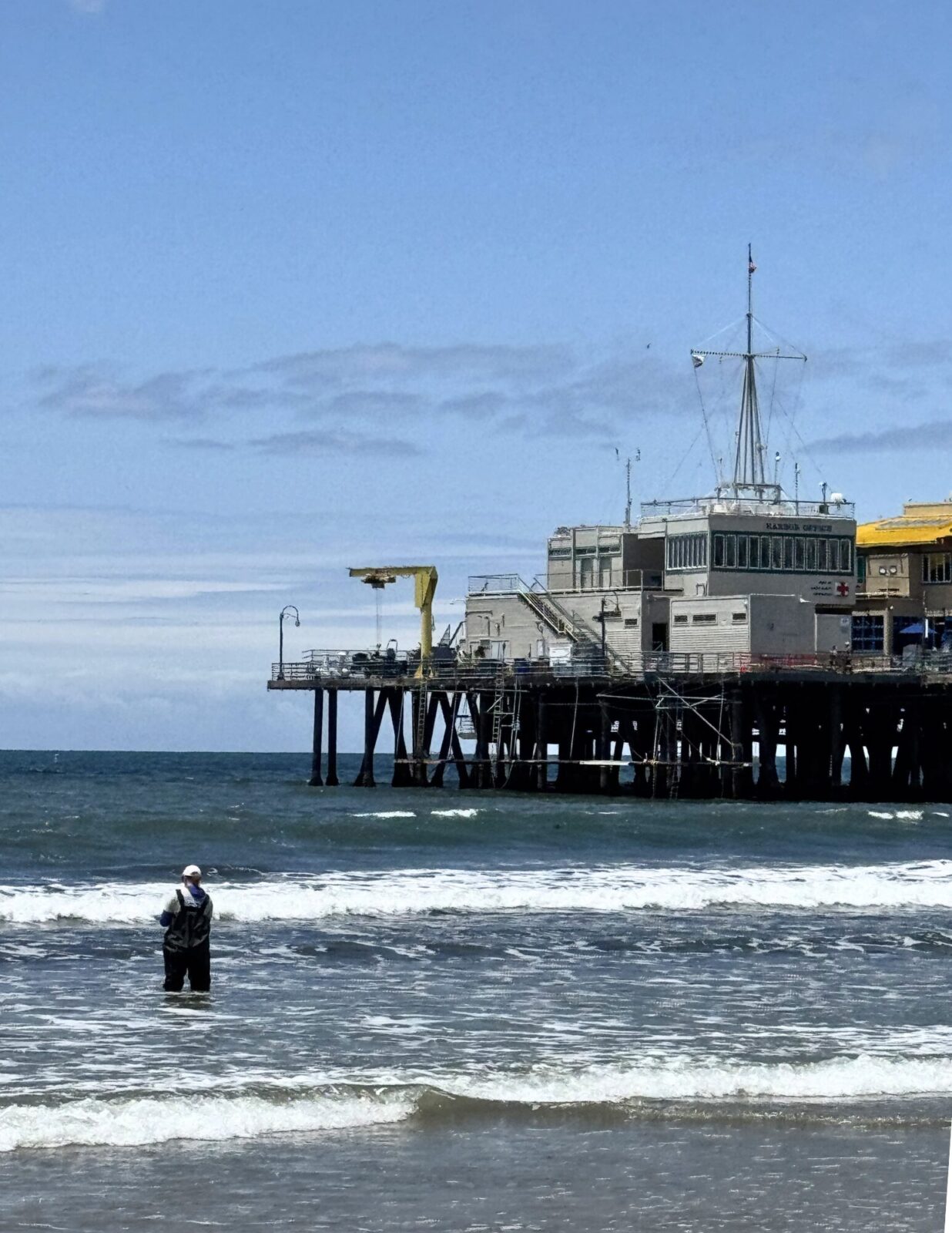
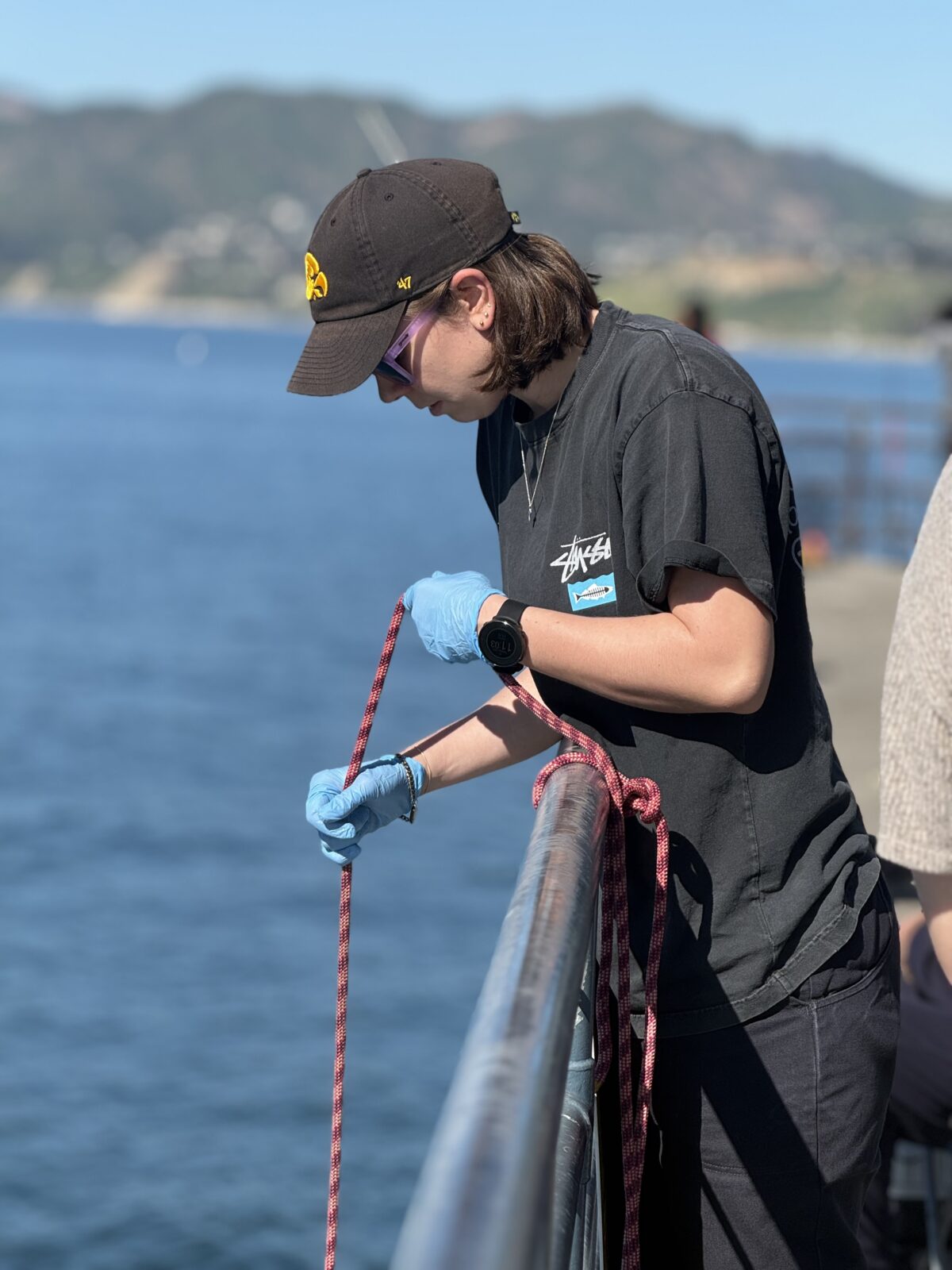
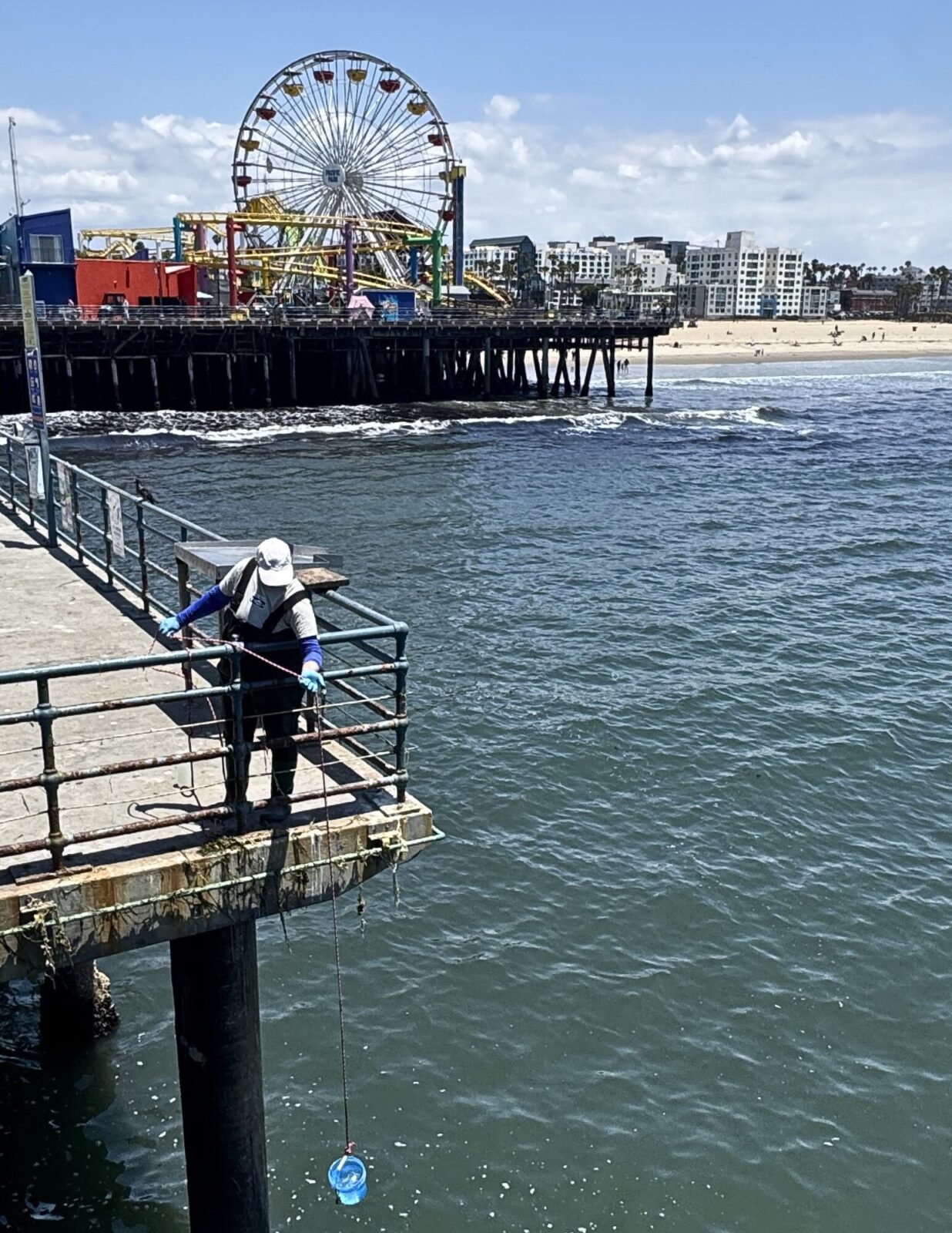
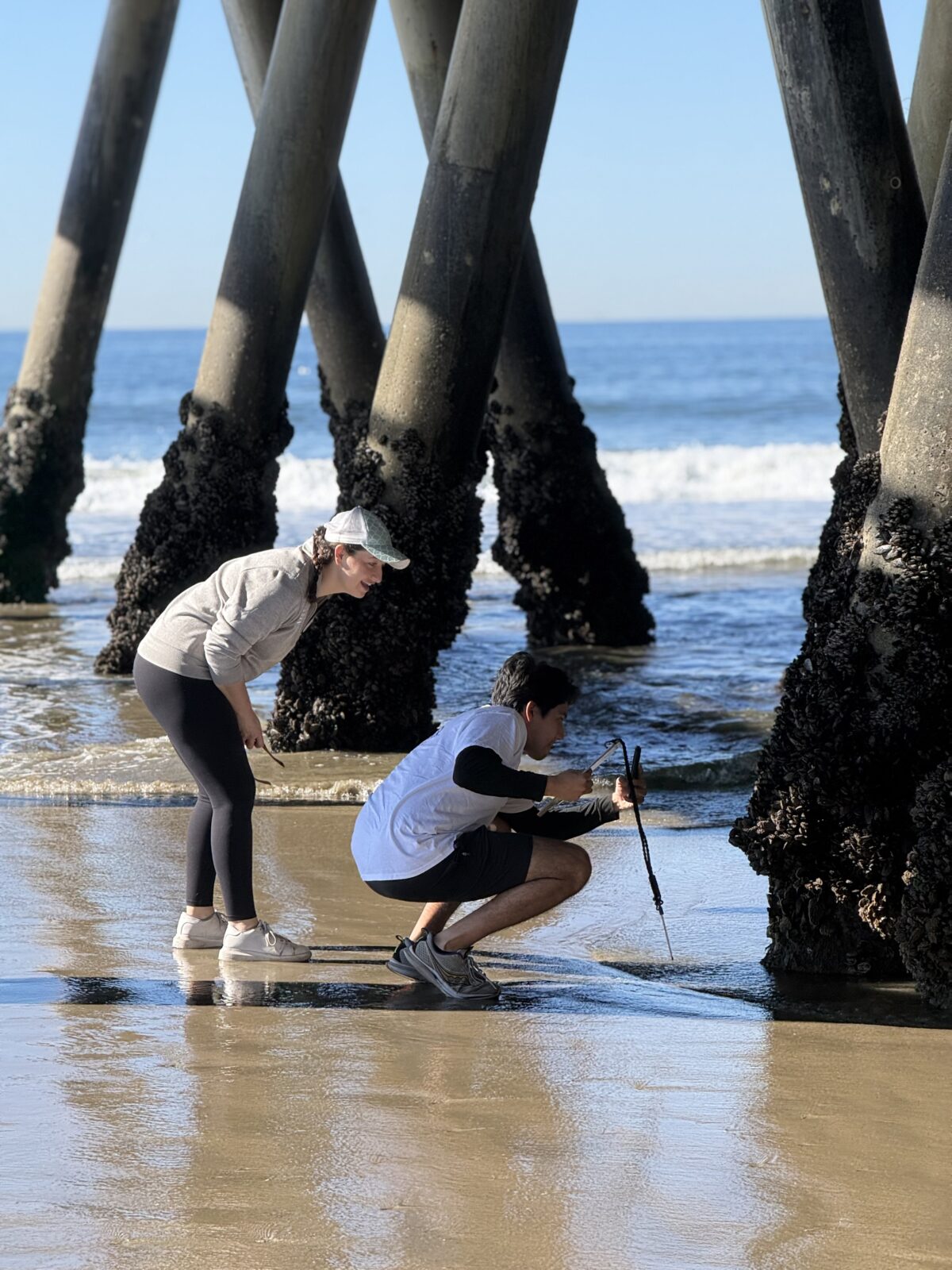
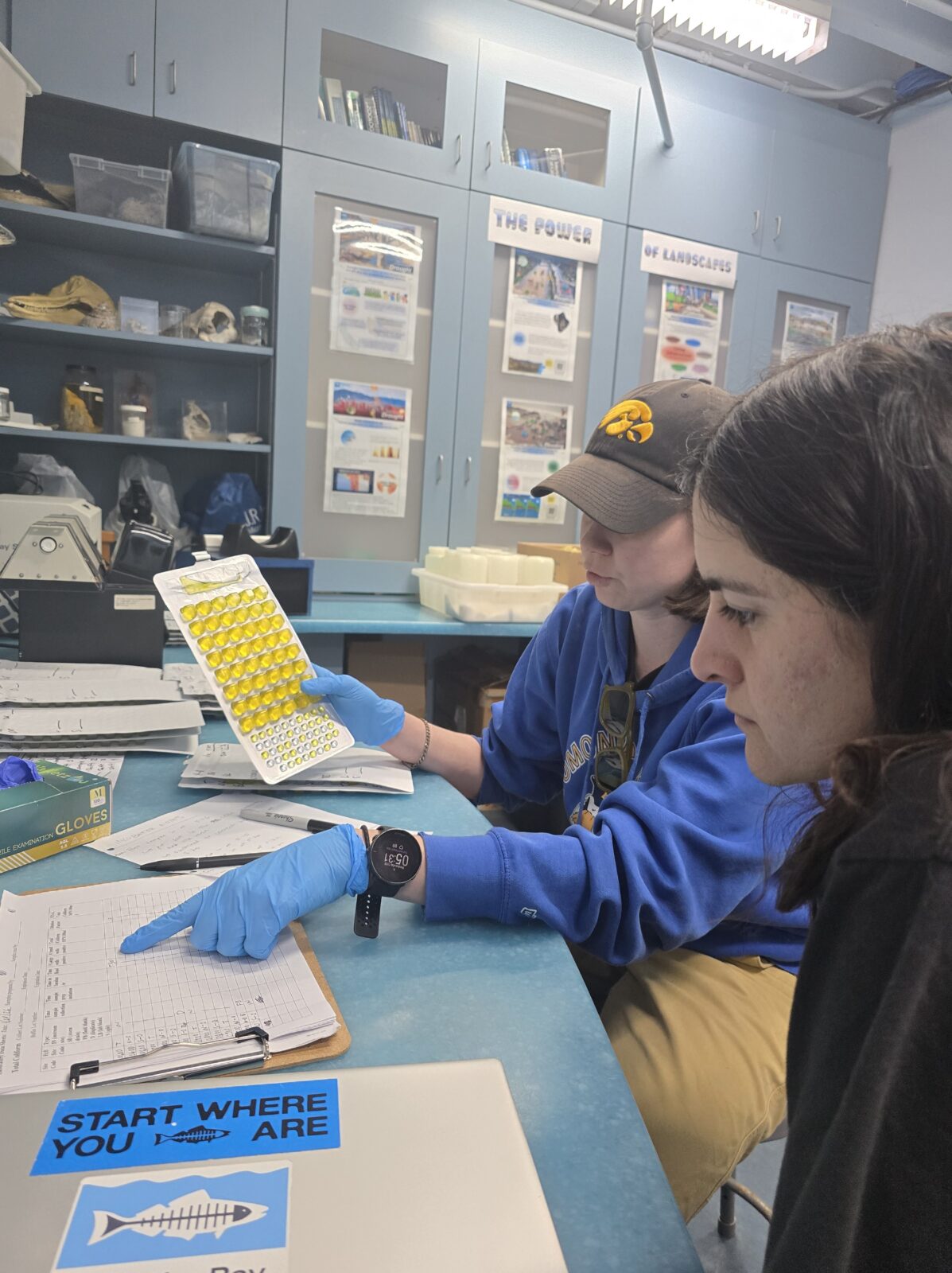
Before daybreak on January 27, 2026, Heal the Bay scientists launched an intensive 16-hour sampling effort at the Santa Monica Pier. From sunrise to sundown, our team walked more than 15 miles back and forth along the Pier collecting water samples every hour at three separate locations. Lab analysis continued late into the night and over the following two days. 

This kind of detailed, targeted sampling is essential because bacterial pollution can shift throughout the day and vary from one location to another. By collecting data across time and space, scientists can better understand patterns that routine monitoring may miss. 

The Task Force is building on decades of Beach Report Card data, previous investigations, and scientific research to better understand the factors contributing to poor water quality at the Santa Monica Pier. Using advanced microbial source tracking and other scientific tools, researchers can identify whether bacteria are more likely coming from human, bird, or other animal sources. Understanding where the bacteria originate is essential to developing targeted, science-based solutions that improve water quality and protect public health. 

What the Task Force Will Do 
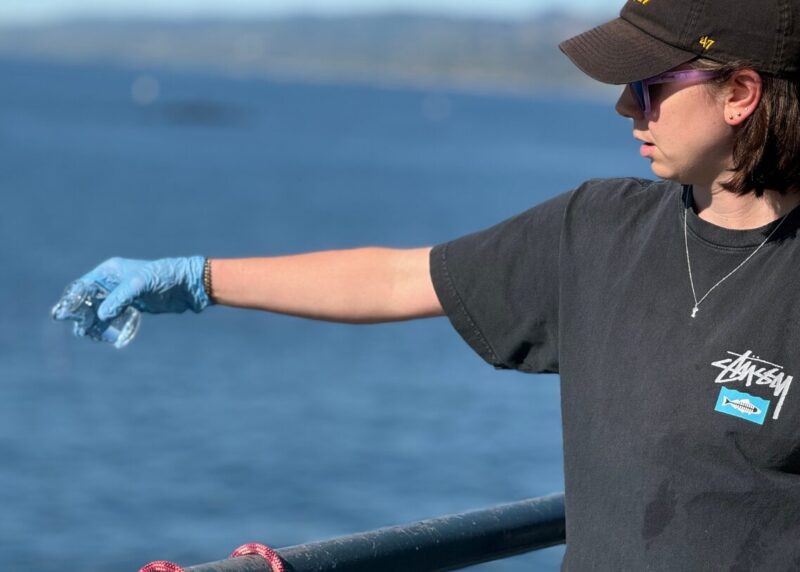
Over the next five years, the Task Force will build upon decades of scientific monitoring, previous investigations, and infrastructure investments to better understand the persistent sources of bacterial pollution at the Santa Monica Pier and develop science-based recommendations for long-term improvement. 

The work will include: 

  • Reviewing historical water quality data, past studies, and previous infrastructure improvements  
  • Building on existing monitoring efforts with additional targeted water quality sampling  
  • Evaluating historical and scientific data to better understand persistent pollution sources  
  • Using advanced microbial source tracking and other scientific tools to identify likely sources of bacteria  
  • Assessing the effectiveness of existing pollution control measures and identifying opportunities for improvement  
  • Developing science-based recommendations to support long-term water quality improvements and protect public health 

The ultimate goal is to move from uncertainty to action. During Fall 2026, the Task Force is expected to release a comprehensive public report that outlines water quality trends, likely sources of pollution, and recommended solutions. Public health will remain the top priority. 

These findings will also inform Heal the Bay’s future Beach Report Cards and support long-term accountability at the Pier. 

A Stronger, More Accountable Future for the Pier 

The formation of the Santa Monica Pier Water Quality Task Force is an important organizational milestone for Heal the Bay and a major opportunity for the region. For decades, the Pier’s poor water quality has been a known problem. Now, there is a coordinated process to better understand the source of that pollution and build a plan for action. 

This effort reinforces Heal the Bay’s role as both a scientific authority and an environmental watchdog. We are bringing data, transparency, advocacy, and public communication together to protect public health and push for long-term solutions. 

The Santa Monica Pier belongs to all of us. It is a place where people fish, swim, surf, work, visit, and connect with the ocean. It should also be a place where clean water is expected, protected, and prioritized. 

The Task Force is a big step toward that future. 

Heal the Bay will continue to share updates as this work progresses. In the meantime, you can stay informed about current water quality conditions by visiting Heal the Bay’s Beach Report Card website or downloading the Beach Report Card app, which provides the latest beach water quality grades and swim advisories to help you make informed decisions before heading to the coast. Together, these tools and the work of the Santa Monica Pier Water Quality Task Force support our ongoing commitment to protecting public health and improving water quality for everyone who enjoys our beaches. 

Inside the Effort to Protect Our Coastal Waters: A Visual Journey

Go behind the science with our team in this visual journal, documenting the research, collaboration, and ongoing efforts to better understand and protect Santa Monica Pier’s water quality.

Bateria-level-warning-Santa-Monica-Pier IMG_6894 Screenshot 2026-07-15 145310 Untitled design (14) IMG_7043 (1) Untitled design (15) IMG_7038 (1) IMG_7045 (1) 20260128_173133 (1)
<
>

Want to learn more and stay connected? Support the frontline science, advocacy, and education that protect our coast, and follow along as we continue this important work.

Donate to Make an Impact

Sign Up for Our Newsletter


Our Science & Policy team has issued the following statement regarding water quality monitoring in the wake of the Lineage Logistics fire in Boyle Heights. 

Please take a moment to read the full statement. 

If you have questions about our monitoring, findings, or the River Report Card, feel free to contact us at science@healthebay.org. Our team will continue to monitor conditions and share updates as new information becomes available. 

Heal the Bay Statement on Water Quality Following the Lineage Logistics Fire 

Following the recent fire at the Lineage cold storage warehouse facility in Boyle Heights, and the resulting local state of emergency, many community members have expressed concerns about environmental and public health impacts from the smoke as well as the runoff from firefighting efforts.  

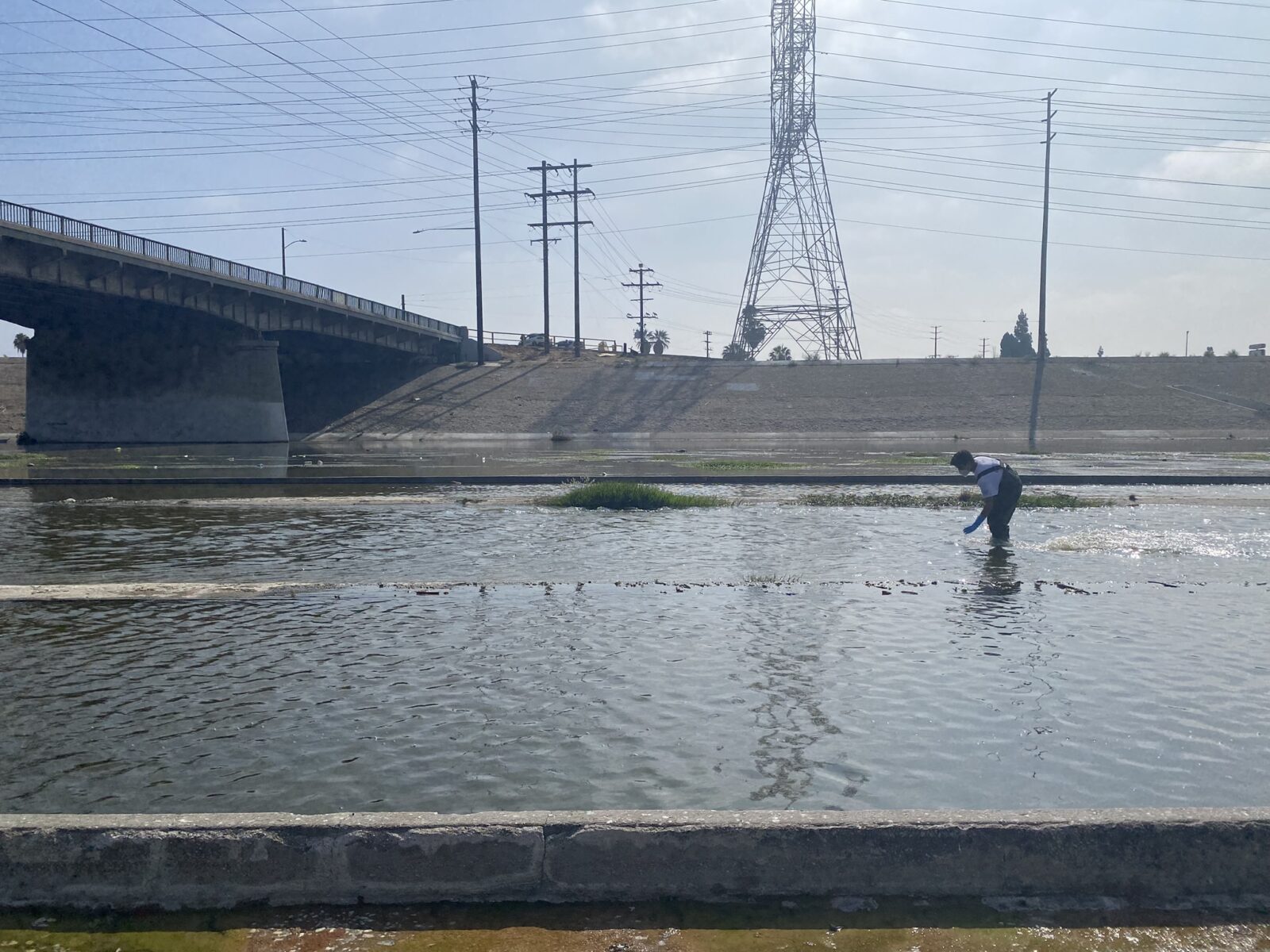
The fire, which began on June 17 and burned for 8 days, occurred during Heal the Bay’s regular summer water quality monitoring through our River Report Card program that helps track recreational water quality conditions to inform the public. We monitor water quality at six sites along the Lower Los Angeles River, including Riverfront Park, our monitoring site closest to the Lineage Fire and downstream of the affected area.  

Our weekly monitoring measures water clarity (turbidity), bacteria levels, water temperature, flow and other visual site conditions. While this monitoring helps us understand recreational water quality, we do not test heavy metals, PFAS, or other fire-related contaminants. 

Our data showed increased flows and turbidity, and a sharp increase in bacteria levels on June 24 & 25, compared to the pre-fire samples taken on June 11. In our most recent sampling on July 8 & 9, water clarity had recovered, and bacteria returned to normal for dry-weather conditions, though water remains unsafe for contact – typical conditions for this part of the watershed. 

We are also aware of reports that low pH levels were detected downstream of fire, possibly contributing to a fish die-off in the Los Angeles River and Dominguez Gap Wetlands.

While we cannot definitively attribute all of these water quality changes to the fire at this time, the elevated bacteria levels and other reported water quality concerns warrant caution. Heal the Bay added warnings to all River Report Card sites downstream of the fire. Until more is known, we recommend avoiding contact with river water in affected areas. 

We recognize and appreciate the work of local community organizations, scientists, and advocates who have been raising concerns about impacts to downstream communities. We share ongoing concerns about the large quantities of spoiled food that remain onsite, with potential impacts to surrounding communities and waterways. We are reaching out to local partners to learn more about ongoing community monitoring efforts and to identify ways we can support and help amplify community-led work. 

Heal the Bay will continue its regular River Report Card monitoring and provide updated water quality information as new data become available. 

Reshare the visual statement below.


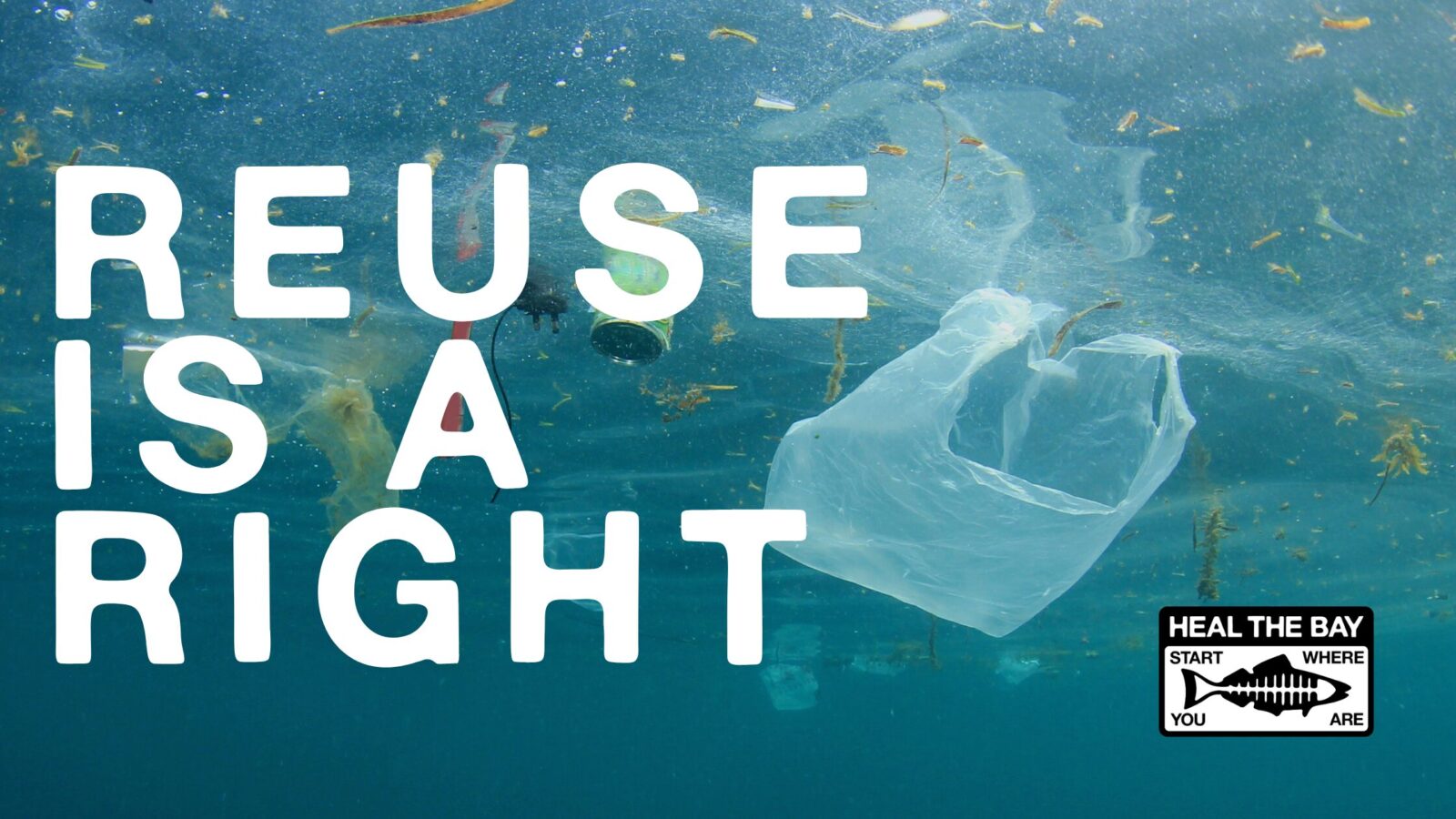
Less than 10% of all plastic ever produced has been recycled.

The future isn’t recycling our way out of plastic pollution; it’s creating systems built around reuse and making them accessible, because reuse is a right.

Every July, millions of people around the world participate in Plastic Free July by choosing reusable products over single-use plastics. At Heal the Bay, we’ve spent 40 years working to stop plastic pollution before it reaches the ocean through science, advocacy, education, and community action. Today, that work includes advancing policies that reduce single-use plastics and make reuse easier for everyone.

That’s why this year for Plastic Free July, Heal the Bay is focused on one simple idea:

Reuse Is a Right

Everyone deserves access to safe, healthy, reusable options that create less waste and protect the places we love. Choosing reuse shouldn’t be difficult; it should be the norm.

At Heal the Bay, we believe stopping plastic pollution starts long before it reaches the ocean. Through science, education, advocacy, and community action, we work every day to protect our coastline and prevent plastic from entering our waterways.

This Plastic Free July, we’re asking you to start where you are and join the movement to create a future where reuse is accessible for everyone.

Sign the Petition for a Reusable Future

Choosing reuse is important, but lasting change requires better systems. That’s why Heal the Bay is calling on Los Angeles leaders to support policies that make reusable options accessible, affordable, and the easy choice for everyone.

Add your name to our Reusable LA petition and tell LA leaders it’s time to build a reusable future for Los Angeles ahead of the 2028 Olympics.

Sign the Petition

Plastic Pollution Doesn’t Start at the Beach

Most plastic pollution begins far from the ocean. A takeout container gets tossed away. A plastic bag blows down the street. A plastic bottle cap washes into a storm drain.

From there, trash travels through our neighborhoods, rivers, and watersheds until it reaches the ocean, where it can harm marine life, break down into microplastics, and even make its way back to us through the food chain.

The good news? We can stop it before it gets there, together.

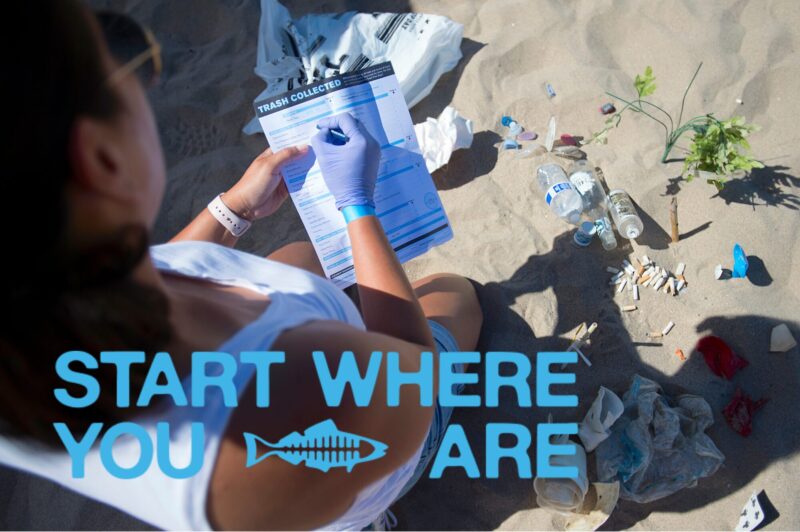
Click here to jump to the 2026 Plastic Free July Guide and start where you are.

How Heal the Bay Is Fighting Plastic Pollution

Here’s how Heal the Bay is leading the fight for reuse, protecting our coast, and making a difference through science, advocacy, and education.

Leading for Reuse

  • Co-founded the Reusable LA Coalition (30+ nonprofits)
  • Launched ‘Hold the Plastic Please,’ giving LA residents and businesses easy access to reusable dining laws
  • One of only 2 non-profits (working to represent dozens of environmental groups) on the LA28 Sustainability Committee to help make the 2028 Olympics a model for sustainability

Changing Laws and shaping local policy

Protecting Our Beaches

  • Over 6 million peice of trash removed from the coastline
  • Monthly cleanups like Nothin’ But Sand, Adopt-a-Beach, and Suits on the Sand
  • Built one of Southern California’s longest-running marine debris datasets over two decades of work

Inspiring the Next Generation

  • Educated 280,000+ children at the Heal the Bay Aquarium
  • Empowering future ocean advocates through hands-on science
Protecting the ocean starts with changing systems, empowering people, and stopping plastic before it reaches the beach.

Join the Movement

Plastic Free July Isn’t About Being Perfect

It’s about making small choices that add up to a healthier ocean.

Every reusable bottle, shopping bag, or refillable cup helps reduce the amount of plastic that can end up in our neighborhoods, storm drains, rivers, and, ultimately, our ocean.

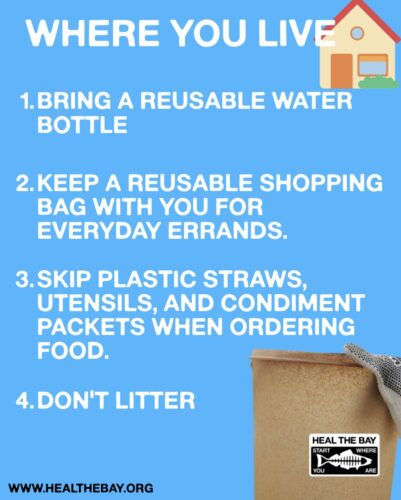
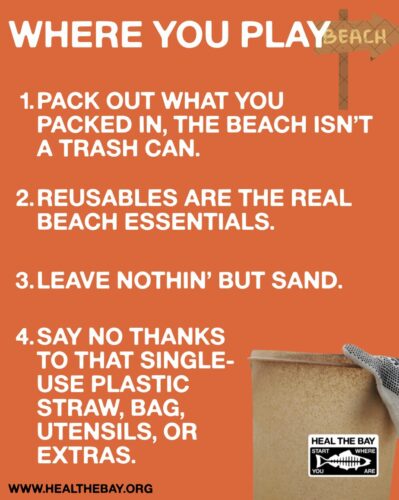
This Plastic Free July, protect where you live and where you play by choosing to reuse whenever you can. At Heal the Bay, we believe reuse is a right. Everyone deserves access to simple, affordable reusable options that create less waste and help keep our communities and coastline clean.

Small actions may seem insignificant on their own, but together they create cleaner neighborhoods, healthier beaches, and a stronger future for our coastal waters.

Start where you are. Choose reuse. Protect what you love.

Because the fight against plastic pollution doesn’t start at the beach.

It starts where you are.

Sign the Petition

Donate to make an immediate impact

Find an event

Watch In-disposable

Sign Up for our Newsletter

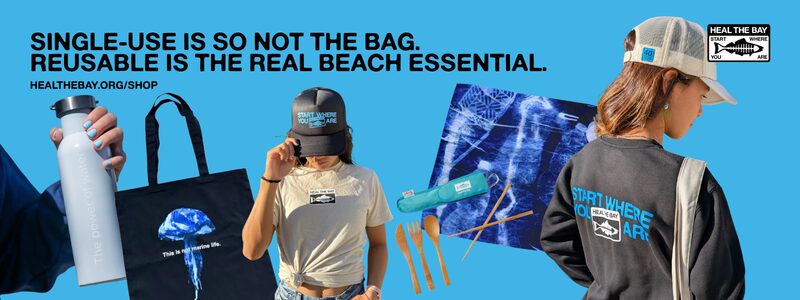
Still looking for a way to start where you are this Plastic-Free July? Shop reusables that create real change!


Watch Now!

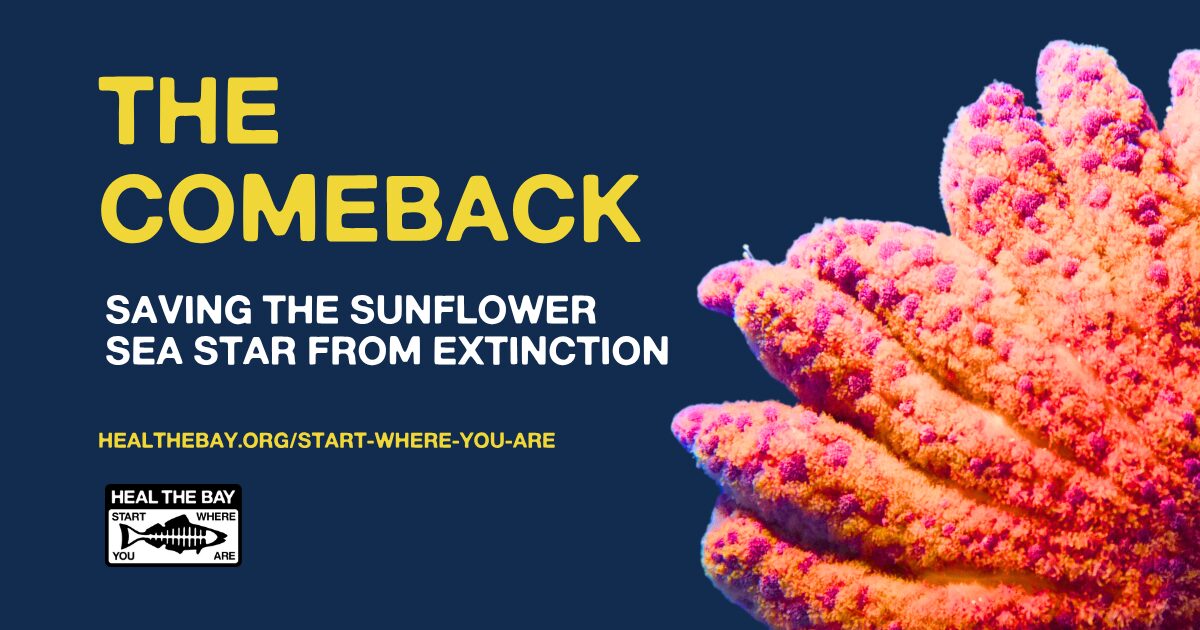
The future of California’s kelp forests depends on the sunflower sea star, and the future of this species could depend on one star.

In this webinar, Heal the Bay Aquarium Associate Director of Operations Laura Rink and Jen Burney, Aquaculture Lab Technician at Santa Monica College, take you behind the scenes of our urgent work to save the critically endangered sunflower sea star.

After a Sea Star Wasting Event decimated more than 20 sea star species and left the California sunflower sea star virtually extinct, Heal the Bay joined the Association of Zoos and Aquariums SAFE (Saving Animals From Extinction) Program to help turn the tide.

This webinar captures a rare and time-sensitive moment: our 2026 work to spawn one of the only reproductive female sunflower sea stars in California. A successful spawning could allow us to raise her offspring and, with state approval, one day reintroduce juvenile sea stars into local waters to help restore balance to our coastal ecosystems.

You’ll learn how aquaculture supports species recovery, why sunflower sea stars are a keystone species, and what happens when they disappear.

Then meet “Chicken Fingers,” the sunflower sea star at the center of this critical effort—and one of the last reproductive females from Southern California waters.

Because healthy coastlines don’t happen by accident. They take care, science, and a community of people willing to show up.

You don’t have to be an expert.
You just have to start.

Watch The Comeback


More About The Comeback

Around 2013, our California coast experienced a Sea Star Wasting Event caused by a disease outbreak that decimated over 20 different sea star species populations and left the California sunflower sea star virtually extinct.

In the years following this event, the Association of Zoos and Aquariums created the Sunflower Sea Star SAFE (Saving Animals From Extinction) Program, bringing together more than 50 facilities from around the world. Heal the Bay has been an active member in this program for several years and, joined by Santa Monica College, continues working to turn the tide.

The sunflower sea star is a fast-moving, many-armed keystone predator that can grow up to 3 feet wide and uses thousands of tube feet to hunt sea urchins, helping protect and sustain vital kelp forest ecosystems.

In 2026, Heal the Bay Aquarium supported a critical effort to restore this endangered species through aquaculture science and species recovery. This work represents a rare opportunity to help restore balance to Southern California’s coastal ecosystems and protect the future of our kelp forests.


Resources from the Webinar

Share this Webinar

Can Aquaculture Save Our Oceans? 

Learn More: Aquaculture at Santa Monica College

Meet Chicken Fingers at the Aquarium

More Events 

Support Our Work

Start Where You Are


Meet the Scientists

Laura Rink
Associate Director of Operations, Heal the Bay Aquarium

Professor of Aquaculture, Santa Monica College

Jen Burney
Aquaculture Lab Technician, Santa Monica College

Laura and Jen lead this critical work to support sunflower sea star recovery through aquaculture, species restoration, and the SAFE Program. Together, they are helping protect one of California’s most important keystone species—and the kelp forests that depend on it.

Want to support the science, education, and advocacy you rely on?

Donate


Thank you to our water partners at Open Water for supporting our events this Earth Month


Watch Now!

Small choices. Big change. We’ll show you how. 

Plastic pollution can feel overwhelming.

But real change starts with small, everyday choices.

In this webinar, Heal the Bay Senior Marine Scientist and Circular Economy Fellow Emily Parker breaks down where plastic pollution really begins, how it became a part of daily life, and what it takes to turn the tide.

Then, Associate Director of Science and Policy, Annelisa Moe joins Emily to answer your most important questions about plastics.

From the rise of “single-use” culture to the policies and systems shaping our environment today, you’ll gain a clearer understanding of the problem.

Celebrate Earth Day with simple, practical actions you can take right now to reduce plastic in your own life and help create lasting change.

Because protecting our ocean doesn’t require perfection—it starts with participation.

You don’t have to be an expert.
You just have to start.

Watch In-disposable


More In-disposable Information

Plastics. A simple word that seems synonymous with everyday life for any Californian. But you may be wondering, how did we find ourselves here? Join Senior Scientist and plastic pollution expert Emily Parker to explore the history and impacts of plastic pollution and learn how you can start where you are to reduce plastics in your own life and help us reshape the system that created this mess in the first place. From miraculous invention to trash, we will explore the real story of plastics and uncover how “single-use” products became so popular, leading to the modern waste crisis. We will also empower attendees with tools and actions they can take immediately to make a big difference.  


Resources from the Webinar

Share this webinar

Reusablela.org 

More Events 

Support Our Work

Start Where You Are


Meet the Scientist

Emily Parker,

Senior Marine Scientist and Circular Economy Fellow,Heal the Bay

Emily works to keep our oceans and marine ecosystems healthy and clean by advocating for strong ocean conservation policies both locally and statewide. She focuses primarily on plastic pollution reduction efforts and on co-leading the Reusable LA coalition to promote reuse and refill across the Los Angeles region. Before arriving at Heal the Bay, Emily earned a Master’s of Advanced Studies in Marine Biodiversity and Conservation from the Scripps Institution of Oceanography at UC San Diego, where she conducted research on sea turtle conservation in El Salvador.


Want to support the science, education, and advocacy you rely on?

Donate


Thank you to our water partners at Open Water for supporting our events this Earth Month


by Council for Watershed Health, Heal the Bay, Los Angeles Waterkeeper, and Randolph Consulting Group

This blog originally appeared on LAWaterKeeper.org

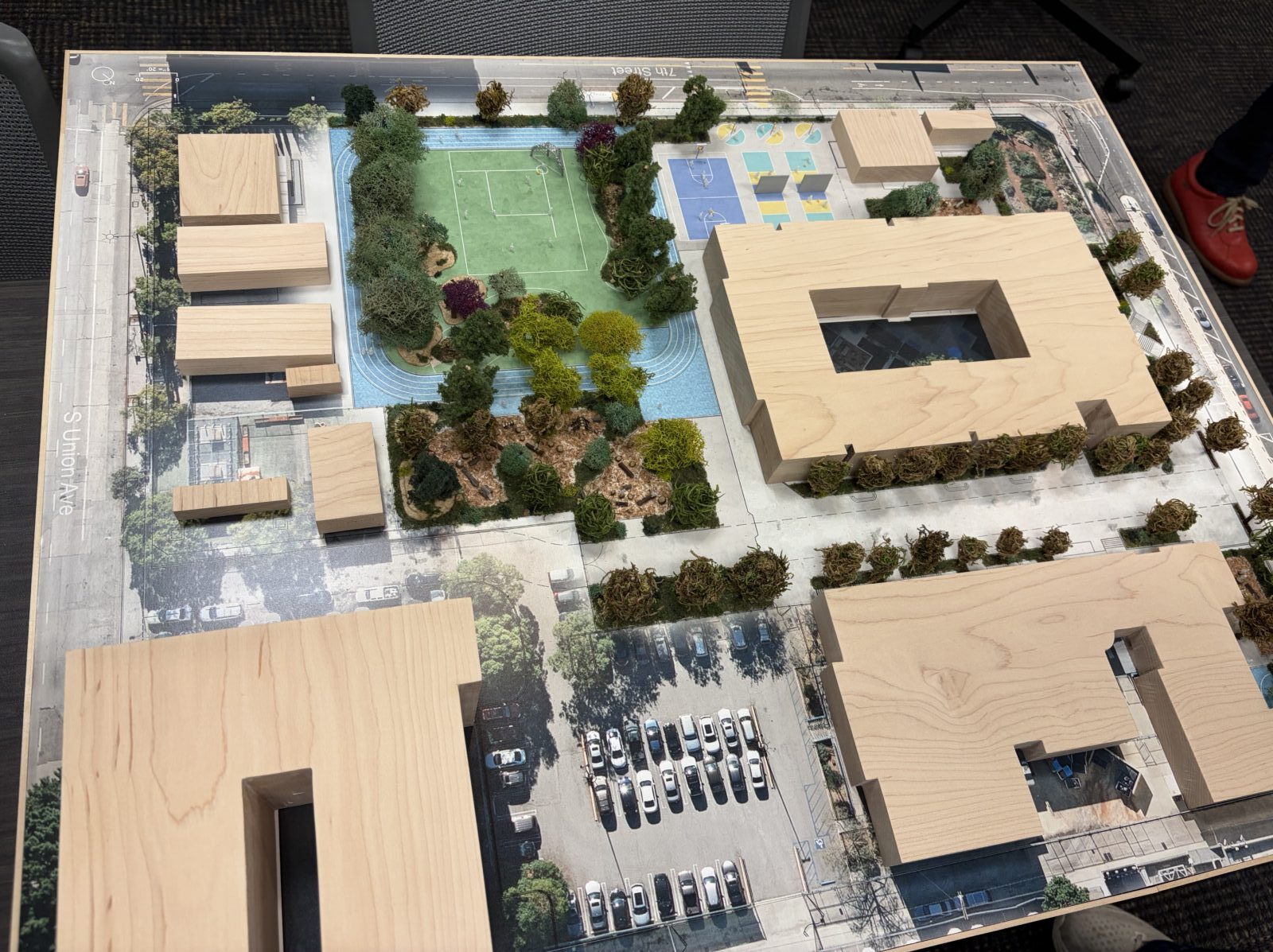
Replica of Esperanza Elementary School’s Green Schoolyard created by SALT Landscape Architects, showcasing nature-based play elements

Every child deserves a school that’s safe, healthy, and allows them to thrive. In Los Angeles, a majority of LA County schools are covered in pavement. Not only does pavement contribute to high temperatures on school campuses, it also prevents water from infiltrating when LA experiences rain, leading to stormwater runoff.

Greening schoolyards by removing pavement and implementing nature-based solutions (i.e. schoolyard forests, habitat gardens, bioswales, outdoor classrooms, nature-based play areas, etc.) is one way to tackle these problems and make schoolyards safer and healthier for students. Implementing schoolyard greening projects in Los Angeles has proved challenging.

Council for Watershed Health, Heal the Bay, Los Angeles Waterkeeper, and Randolph Consulting Group have teamed up to promote large-scale schoolyard greening and stormwater management throughout LA County, particularly in LA’s most park-poor and historically impacted communities.

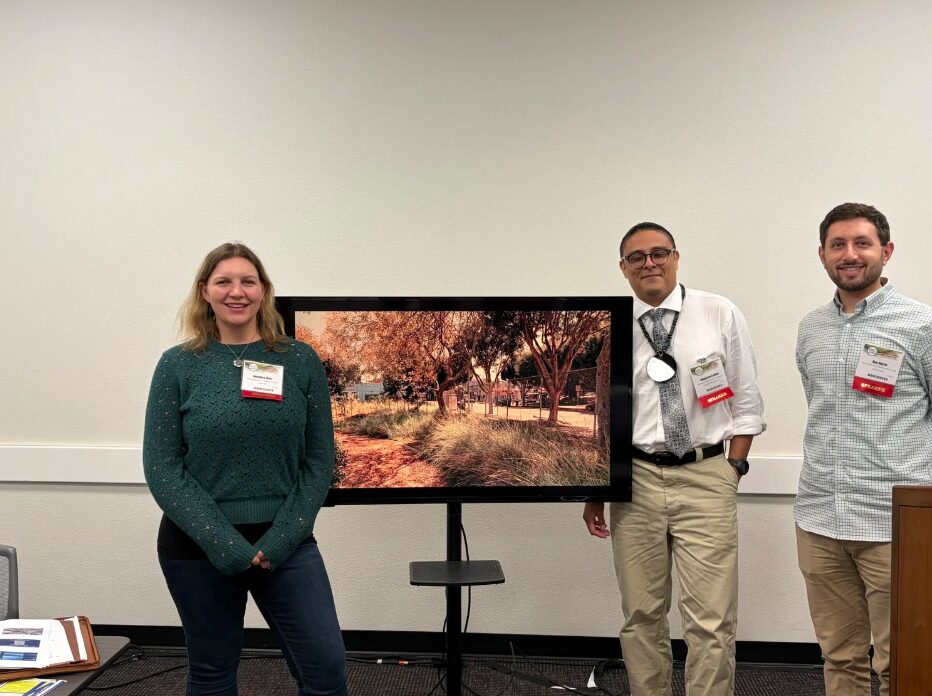
Annelisa Moe (Heal the Bay), Alejandro Fabian (TreePeople), and Ben Harris (LA Waterkeeper) at the Managing Stormwater on School Campuses: From Potential to Permits session at the Green CA Schools Summit in Pasadena

Our team launched our partnership with a session at the Green CA Schools and Higher Education Summit in Pasadena on November 13, 2025. The Summit opened with remarks from State Superintendent of Public Instruction, Tony Thurmond, and Deputy Superintendent, Abel Guillen, as well remarks from the Mayor of Pasadena, the SoCal firestorms still fresh on the speaker’s mind, they spoke about resiliency and the role schools play in supporting more climate resilient solutions, increasing shade canopy through trees, greening of school campuses and the importance of teaching stewardship to students. It was great to see these points elevated by state leadership.

Los Angeles County is in a unique position to lead in the state because of the L.A. County’s Safe Clean Water Program, which funds stormwater projects to improve water quality, increase water supply, and provide community benefits. Schools are a critical component of this ecosystem by managing stormwater and greening campuses, we increase climate resiliency, and provide an enriched learning environment for students across the region. The more we are able to connect greening and stormwater management, the better for the region.

The session we put together, titled Managing Stormwater on School Campuses: From Potential to Permits, walked attendees through what stormwater runoff is and the impact of stormwater pollution on our waterways, data from a TreePeople study on the potential of LAUSD schools to contribute to stormwater management, and the regulatory environment for stormwater management (i.e. are you now or will you be legally required to manage stormwater).

The key takeaways we wanted the audience to leave with are:

  1. In LA County, the average one-inch rainstorm results in 10 billion gallons (30,700 acre-feet) of runoff moving through the storm drain system.
  2. Looking at all schools in LA County, there is a total of 19.5 billion gallons per year (60,000 acre-feet/yr) of stormwater management potential (this volume would address almost 75% of LA County’s groundwater recharge goal for context), and strategically selecting the sites with the greatest potential, 10% of the sites (78 LAUSD sites) could achieve 9.8 billion gallons per year (30,000 acre-feet/year).
  3. While schools are not currently regulated by a stormwater permit (i.e. required to legally manage their stormwater), they are one of the few entities left that are not regulated and are likely to be regulated in the future.

Overall, we are galvanized by the momentum that is building in Los Angeles for green schoolyards and will be hosting our own symposium in May exploring the many synergies of school greening and stormwater. We look forward to seeing you in May.


Want more schools and stormwater content?

Register for our Runoff to Resilience Symposium: Stormwater Harvesting on School Campuses event on May 13, 2026.

Have ideas for stormwater management projects in your community?

Submit ideas to the SCWP Community Strengths and Needs Assessment. 

This work is supported by Water Foundation and the Los Angeles County Flood Control District’s Safe Clean Water Public Education and Community Engagement Grants Program


Heal the Bay is ecstatic to announce A BIG WIN for the coast!

For years, treated wastewater from the Ventura Water Reclamation Facility flowed directly into the Santa Clara River Estuary, one of Southern California’s most important and sensitive coastal ecosystems.

As of January 7, 2025, that changed. With the launch of Phase 1A of the wastewater recycling project called VenturaWaterPure, water is now being diverted away from the estuary, marking a major step toward healthier habitats and a sustainable local water supply for the City of Ventura.

This milestone is the result of decades of collaborative advocacy led by Heal the Bay and the Wishtoyo Chumash Foundation’s Ventura Coastkeeper Program, with the City of Ventura becoming a strong partner in delivering this outcome.

Why should Angelenos care? Because ecosystems are connected. The Santa Clara River flows to the ocean and provides critical habitat for protected species like the tidewater goby and snowy plover. Protecting these ecosystems helps shape water quality and strengthen regional climate resilience across Southern California.

Cleaner water and healthier habitats are a win for everyone, and proof that long-term environmental advocacy works. Ventura’s progress on water recycling puts the region more than a decade ahead of Los Angeles, showing what’s possible now and what remains at stake as LA delays action on our own water recycling efforts.


Read our 2024 Update: A Clean Start In Ventura

Heal the Bay and Wishtoyo Chumash Foundation have been collaborating to reduce impacts to the Santa Clara River Estuary from the Ventura Water Reclamation Facility since 2011, following a legal settlement (consent decree) with the City of Ventura. After more than a decade of scientific studies, bureaucratic negotiations, infrastructure planning, and a lengthy permitting process, we are excited that the VenturaWaterPure project is moving forward. The project will provide a net benefit to the estuary by reducing discharge of treated wastewater from the facility, which has a multitude of negative impacts on water and habitat quality in the estuary. 

On December 15, 2024, Heal the Bay joined our consent decree partners along with Secretary of the Interior Deb Haaland and Principal Deputy Assistant Secretary for Water and Science Michael Brain, to celebrate this water recycling and ecosystem restoration project. 

Heal the Bay’s Associate Director, Science & Policy (Water Quality) Annelisa Moe (left) attends the VenturaWaterPure press conference.

Under CA State law, discharging treated wastewater is considered an unreasonable use of that water, and is therefore illegal, unless it provides an environmental benefit. Unfortunately, based on conclusions from a Science Panel and Technical Advisory Committee, treated wastewater flow into the naturally brackish Santa Clara River Estuary does not benefit the ecosystem, but actually negatively affects it in a variety of ways: 

  • Decreases salinity variability, which is favorable for invasive species 
  • Increases levels of nitrate and other nutrients leading to low dissolved oxygen levels, which is harmful to the entire ecosystem 
  • Heightens the water level in the estuary leading to local flooding at McGrath State Park and unseasonal estuary berm breach events, which impedes public access and is harmful to native and listed species 

So the City of Ventura has committed to dramatically reduce their discharge to the estuary and limit nutrient loading in any remaining discharge through the VenturaWaterPure project. The project also offers a co-benefit of up to 1.76 billion gallons of new recycled water supply for the City of Ventura by 2032. This supports the human right to water using an approach that is environmentally protective and affordable, especially when compared to other methods such as importing water, or using ocean water desalination.  

Heal the Bay will continue to work closely with Wishtoyo Chumash Foundation and City of Ventura to ensure the transition to reduced discharge is protective of the estuary, that the new brine discharge to the ocean is done responsibly using the best available technology, and that the existing treatment ponds (which currently serve as important bird habitat) remain protected as part of the final VenturaWaterPure project.

Support Heal the Bay’s mission to protect public health through clean water policy:

Make A Donation

Read More:

Heal the Bay’s 2011 report on The Santa Clara River estuary

Interior Secretary Deb Haaland visits Ventura water treatment project, Ventura County Star


Coming Home, Changed: Reflections One Year After the Palisades Fire

By Tracy Quinn, President and CEO, Heal the Bay

One year ago, fire tore through Pacific Palisades and forever altered my relationship with the place I call home.

Like so many of my neighbors, I was displaced by the January 2025 Palisades Fire. For nearly a year, I lived in limbo, grateful that my house was still standing yet unable to return to it. That dual reality has stayed with me: relief and grief, gratitude and guilt, hope and heartbreak all existing at the same time.

I did not lose my home. Many did. And that truth has been one of the heaviest things to carry.

Survivor’s guilt is a quiet companion. It shows up when I drive past empty foundations, when I talk to neighbors mourning the loss of family heirlooms, when I unlock my own front door knowing others no longer can. Moving back to the Palisades has been both joyful and deeply sad. It has been wonderful to finally unpack my suitcase, to walk familiar streets, to watch the marine layer creep up the canyon. It has been sad because the neighborhood I returned to is not the same one, I left.

And yet, from the very first days after the fire, I also knew this: standing still was not an option. Not just because my insurance company would not approve long-term housing, forcing me to move every couple of weeks, but because the impacts of a wildfire do not end when the flames are out.

In coastal communities like ours, they flow downhill—into storm drains, creeks, lagoons, and ultimately the ocean.

I am grateful to have had a way to channel heartbreak into action at a time when the fire left so many feeling powerless. I am proud to be part of the Heal the Bay team that jumped in immediately, launching water quality testing to understand what the fire meant for beachgoers and for marine life that can’t escape our coastal waters. In the absence of clear regulatory standards for wildfire contaminants, our scientists used every available tool to assess potential risk and just as importantly, to explain what we still do not know.

When we learned that the EPA planned to use a site adjacent to Topanga Creek and Lagoon to sort and stage hazardous materials, we demanded a meeting. We raised concerns about placing hazardous waste operations next to an ecologically and culturally sensitive area and pushed for stronger protections and safer alternatives.

A year later, this is what we’ve learned.

We still do not know enough about the impacts of fire-related pollution on human health. In the absence of state or federal public health standards for wildfire contaminants in recreational waters, Heal the Bay scientists relied on the Environmental Protection Agency’s Risk Screening Level Calculator, a tool originally developed to evaluate exposure to individual contaminants in air, drinking water, and soil. While it was not designed for complex, multi-contaminant wildfire scenarios or recreational ocean exposure, it is currently the only published framework available to help contextualize this type of data.

Water quality data collected by Heal the Bay and the Los Angeles Regional Water Quality Control Board between January and May 2025 indicate that potential risk to people recreating in ocean water appears low when compared to EPA Risk Screening Levels. However, these screening levels are not safety thresholds. They do not account for cumulative exposure to multiple contaminants, pre-existing health conditions, or sensitive life stages such as pregnancy. Without clear regulatory standards, it is not possible to make definitive statements about safety, underscoring the need for clearer state-level guidance on post-fire water sampling, standardized testing protocols, and public health benchmarks for recreational exposure following wildfires.

While potential risk to humans from ocean recreation appears limited based on available screening tools, early monitoring raises greater concern for marine life. Unlike people, marine organisms remain continuously immersed in coastal waters and often have a lower tolerance for contamination. Wildfire-related pollutants can accumulate over time within marine sediments and move through the food web, potentially affecting fish, wildlife, and people who consume locally caught seafood. These impacts may unfold gradually and are not always visible in short-term water sampling.

The EPA hazardous waste sorting and staging sites at Topanga may have contributed to elevated pollutant levels at Topanga Beach. Shortly after operations began, water sampling detected a spike in several contaminants on February 6. While this timing does not establish causation, it raised serious concerns about whether hazardous waste handling activities may have played a role. Following advocacy and operational changes, subsequent sampling showed improvement, but it may take years to fully understand the long-term impacts on our coast and marine life.

What this past year has made painfully clear is that wildfires are no longer rare emergencies. They are recurring features of a changing climate. If we do not learn from this experience and make meaningful changes, the next disaster could be even more devastating.

For the coast, that means four urgent actions:

  • Fix stormwater infrastructure.
    We must improve systems to divert the first and most contaminated stormwater flush to wastewater treatment facilities instead of allowing toxic runoff to flow directly into the ocean and increase stormwater capture throughout LA County.
  • Establish clear post-fire testing protocols.
    This must include identifying all pollutants associated with urban wildfires and designating a responsible authority for timely ocean and sand sampling.
  • Set public health standards for recreational exposure.
    Communities need clear, science-based benchmarks for contact with fire-related contaminants like lead, arsenic, and chromium.
  • Continue monitoring.
    With ash coating the ocean floor and rain continuing to carry sediment from burn areas, sustained monitoring is essential to protect both human health and marine life.

In an era of climate change, true recovery means learning from what you have lost and being better prepared for what is coming next. It requires clear leadership from government agencies, proactive plans to protect public health and ecosystems, and sustained funding so nonprofits are not left filling critical gaps alone.

The Palisades Fire changed me. It changed our community. And Heal the Bay is working to make sure it also changes policy, so the next community facing a climate disaster is better protected.
-Tracy Quinn, President and CEO, Heal the Bay 

blog header policy recap (5) 54296325765_160580d859_5k 54295897591_9dee923a5b_k (1) 54295897696_b76d8d8a1d_c 54295897936_b2769cb4be_5k IMG_3466 (1) (1) 54295897861_37b51eb0ba_o EPA_01.jpg FullSizeRender 54295016232_0a1b2d5098_k
<
>
Blue Ribbon Commission On Climate Action And Fire-Safe Recovery
Photo Credit: LA County Fire Department

Ready to take action? Join us this January for beach cleanups, science talks, and other events focused on building regional resilience as we mark one year since the LA Megafires.

Our Events


Heal the Bay celebrated forty years of protecting the people, wildlife, and coastal waters of greater Los Angeles, and this year demonstrated just how vital that work is. From rising seas and plastic pollution to toxic algal blooms, our region faced mounting threats — and it began with one of the most devastating climate disasters in Los Angeles’ history.
The January wildfires disrupted ecosystems and displaced communities, including Heal the Bay’s own CEO, Tracy Quinn, yet the response was immediate and effective. Volunteers, neighbors, and supporters stepped up to care for one another and the environment, proving time and again that even the smallest actions can lead to a massive impact.
As we near the end of 2025, we’re proud to celebrate the impact we achieved together. Here are some of the milestones that demonstrate what’s possible when a community comes together for clean water, healthy ecosystems, and a thriving coast.

The Road Ahead  

Celebrating 40 years of impact. This year, we celebrated 40 years of showing up for our region—honoring the work that began when our founder, Dorothy Green, took to the beach with a bullhorn and a belief that people could protect what they love.

Building a stronger, safer coastline for LA: As rising seas, toxic algal blooms, and climate change threaten public and coastal ecosystems, Heal the Bay scientists are advancing critical research and pushing for science-driven policies that protect people, wildlife, and coastlines. 

Stopping plastic pollution at the source: Plastic waste is more than an eyesore. It shows up in our air, our food, and our ocean. Heal the Bay is confronting the problem upstream by strengthening bans on single-use plastics, partnering with the LA28 Olympic and Paralympic Games to promote reusable solutions, and holding plastic polluters accountable.  

Turning awareness into action: From beach cleanups to climate education, we’re empowering Angelenos with hands-on tools to advocate for our coast and helping educators inspire the next generation of ocean stewards. 

Your support makes this work possible. If you’re inspired by what we accomplished together in 2025, consider making a year-end gift to help us continue defending clean oceans and healthy coastlines for all. 

DONATE


A group of people wearing Heal the Bay t-shirts pose for a photo in front of Venice Pier. In the center, Preston Lilly stands in front of his paddleboard.

Among our many generous supporters this year was high school student Preston Lilly, who paddled 21 miles during Coastal Cleanup Day 2025 to raise funds for Heal the Bay.

A message from Heal the Bay President and CEO Tracy Quinn: 

As we head into the holiday season, I’ve been thinking back on 2025 — the challenges, the moments of hope, and the resilience this community showed.

The year started with a tragedy none of us will forget. Wildfires tore through our neighborhoods, destroyed homes, and left so many — including me — displaced.

As we tried to pick up the pieces, another wave of challenges emerged. Wildlife washed up on our shores, sickened by a toxic algal bloom. Environmental protections we fought so hard to win were rolled back. Funding for the work that protects our coast began drying up. And all of it amid mounting hardships on the people and communities that make Los Angeles home.

It would’ve been easy to give up. Accept defeat. No one would have blamed us. But time and time again, Angelenos showed us what strength and resilience look like.

And that’s why I want to say thank you to everyone who made a difference this year, not just for Heal the Bay, but also for our coast and the people and wildlife that call it home.

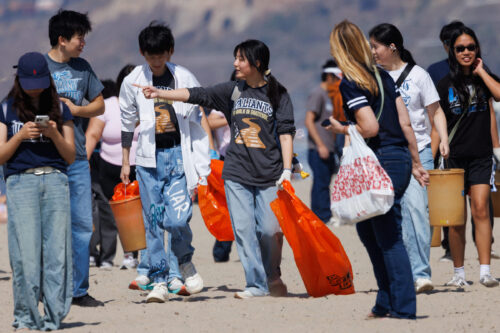
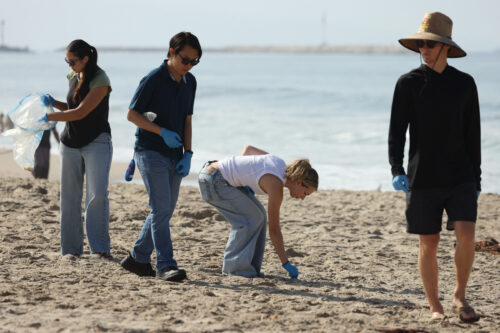
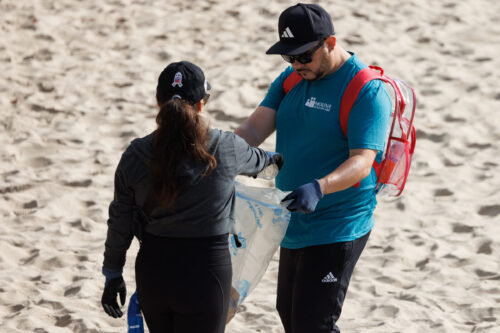
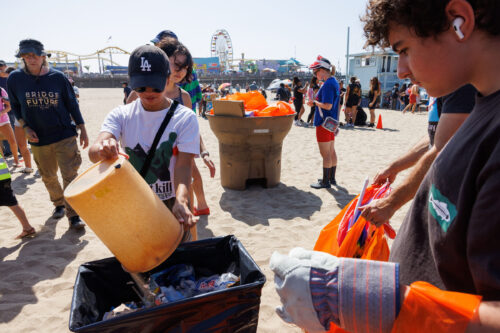
Thank you to our volunteers — nearly 20,000 of you — who cleared plastics and pollution from our beaches.

Thank you to the teachers across Los Angeles who joined our workshops and brought students to the Heal the Bay Aquarium for STEM field trips. With your help, we reminded thousands of young people that they have the power to rewrite the story of our oceans.

Thank you to our partners in advocacy and to the policymakers who continued fighting for the laws that safeguard our future.

And thank you to our donors. Your generosity, in every amount, made it possible for us to lead the science, education, and advocacy that our community relies on.

You are the reason I’m honored to lead this organization. You are why we do this work. And you are what has kept it going for the past 40 years.

At Heal the Bay, we talk a lot about resilience, how we can bounce back when it feels like all is lost. We can’t know what 2026 will bring. We do know there are big challenges ahead. But I’ve seen the strength of this community, and I’m confident we have what it takes to tackle whatever comes our way.

Even with everything we’ve been through this year, there’s still so much to be grateful for. For me, it’s this: After nearly a year of living out of a suitcase, storing my groceries in the office fridge, and navigating never-ending insurance claims, I’m finally moving back home. And I know that makes me one of the lucky ones.

So today, when I reflect on what I’m thankful for, I’ll think about this incredible place we get to call home. And I’ll think of you, our dedicated Heal the Bay community. Here’s to what we’ve weathered, to what we’ve rebuilt, and to everything we’ll keep fighting for — together.

– Tracy Quinn, Heal the Bay President & CEO

P.S. You can ensure that Heal the Bay has what it needs to protect our coast in 2026 — and help us save endangered species from extinction. Donate through our Giving Tuesday campaign and your gift will have twice the impact.