
Our Impact
For more than three decades, we have been a strong and trusted advocate for the Santa Monica Bay. But a healthy Bay requires a healthy LA. We protect the coastline, restore our waterways, and enact clean water policy to protect public health.
Demand
Climate
Action
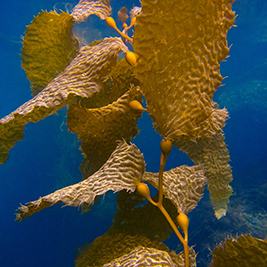
We can’t wait any longer to take bold climate action locally and globally. Here’s how we are urgently demanding systemic change and advocating for multi-benefit solutions that build toward an equitable and resilient future:
- Prioritizing nature-based and equitable stormwater capture projects in our region
- Investing in water recycling to increase local resilience and reduce pollution
- Advocating to the public about better alternatives to costly ocean desalination
- Raising awareness about sea level rise, warming, erosion, and other impacts of climate change while pressing local and state regulators to take urgent action
- Encouraging students and youth to learn with standards-based interactive remote learning, field trips, and camps at Heal the Bay Aquarium and school clubs
- Informing about solutions through our Speakers Bureau climate presentations, Suits on the Sand beach cleanups, and Knowledge Drops and Gotitas del Saber webinars
- Supporting a robust restoration in the highly degraded Ballona Wetlands for resiliency to sea-level rise and to make up for the greater loss of wildlife habitat
Protect
Public
Health
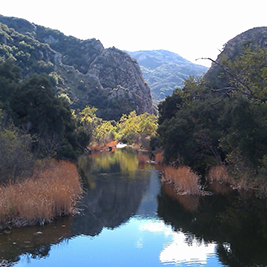
We protect people’s health through science-based education, outreach, and policies on contaminated water and fish at beach, pier, offshore, and freshwater areas in Greater Los Angeles. Here’s how we are making waves:
- Providing water quality information at 450 California beaches each week and making daily water quality predictions at dozens of sites
- Mobilizing local communities and visitors to become advocates for safe access to local waterways
- Monitoring water quality and notifying the public of good and poor conditions at popular freshwater recreation areas in the LA River, Malibu Creek and San Gabriel River watersheds
- Watchdogging stormwater runoff, pushing for increased enforcement, and advocating for projects to improve water quality at beaches, rivers, and wetlands
- Inspiring 100,000 visitors annually at Heal the Bay Aquarium to take action in defense of human and marine health
Ban
Single-Use
Plastic
Our ocean and watersheds should be teeming with diverse wildlife, not inundated with plastic waste and microplastics. Here’s how we are eliminating single-use plastic and defending the vibrancy of our communities:
- Campaigning for tough legislation that keeps harmful plastic pollution out of the Pacific Ocean
- Hosting two or three cleanups a day in LA, on average, and engaging local and global businesses, families, groups, and individuals to make an impact
- Recording more than four million pieces of trash and debris removed from the natural environment by Heal the Bay volunteers to inform public policy, business practices, and organizational sustainability goals
- Educating thousands of students in LA County (70% of students are from Title 1 schools) about how to minimize plastic use in the household
- Engaging local businesses, organizations, groups, and individuals and helping them opt for reusables with a strong coalition of partners
- Advocating for the end of fossil fuel extraction offshore and in our communities, and pushing for a just transition to a healthier environment for all
Our Victories
Take Part
We all have a role to play in protecting Santa Monica Bay – whether it’s donating money, volunteering time, speaking up, or educating others.
Get involved today!
Help remove thousands of pounds of pollution this September 19!

Coastal Cleanup Day is Sept. 19!
Join thousands of Angelenos at 60+ cleanup sites across L.A. County, from beaches and the L.A. River to parks, neighborhoods & kayak cleanups.
With growing threats to our environment, this Coastal Cleanup Day is more important than ever. Show up. Take action. Protect our coast.